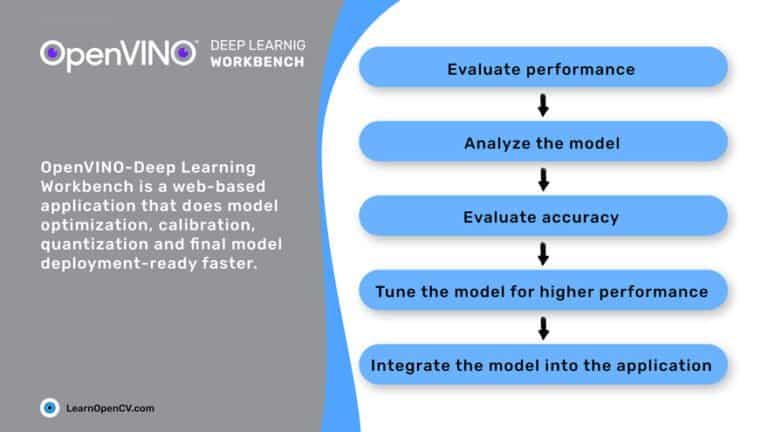
The Intel-OpenVINO Toolkit provides many great functionalities for Deep-Learning model optimization, inference and deployment. Perhaps the most interesting and practical tool among them is the Deep-Learning (DL) workbench. Not only
Traditionally, Deep-Learning models are trained on high-end GPUs. But for inference, Intel CPUs and edge devices like NVidia’s Jetson and Intel-Movidius VPUs are preferred. Most of these Intel CPUs come
Deep Learning models inferencing on video stream inputs in computer vision applications are mostly used for object detection, image segmentation, and image classification. In many cases, we fail to get
The training of neural network architectures is what drives most of us who are involved in the field of Deep Learning. We fixate endlessly over the amount of data, its
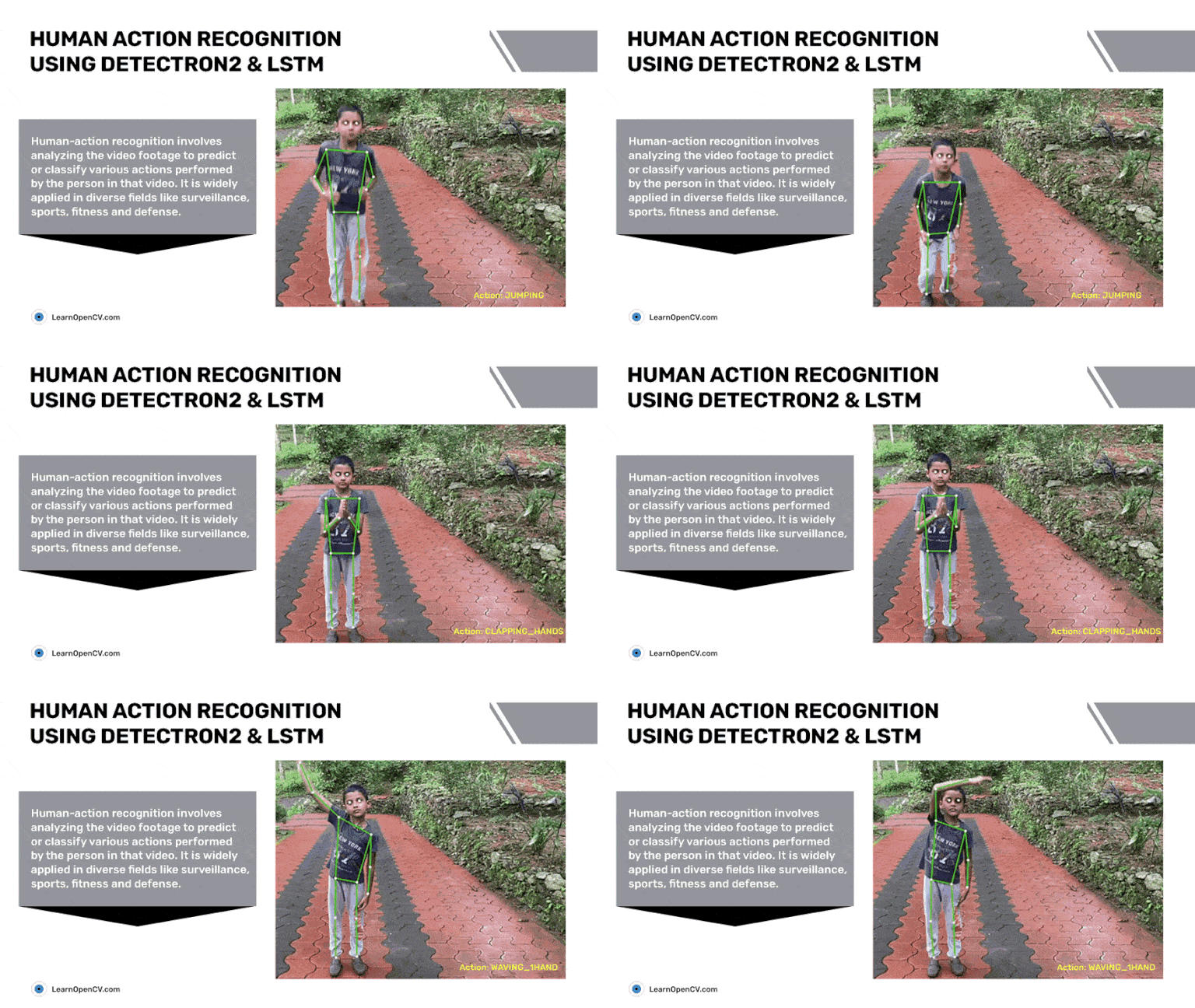
This exciting post comes to you from Bibin Sebastian, who took our Deep Learning with Pytorch course by OpenCV, and then applied all the learning to create a Human Action Recognition application
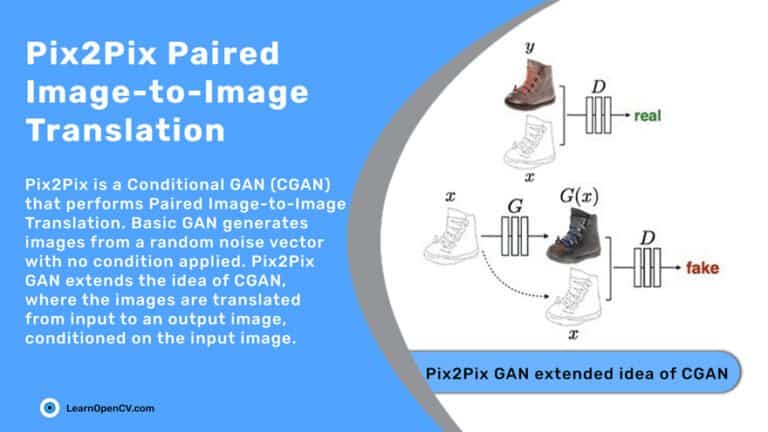
Continuing our Generative Adversarial Network a.k.a. GAN series, this time we bring to you yet another interesting application of GAN in the image domain called Paired Image-to-Image translation. By now,
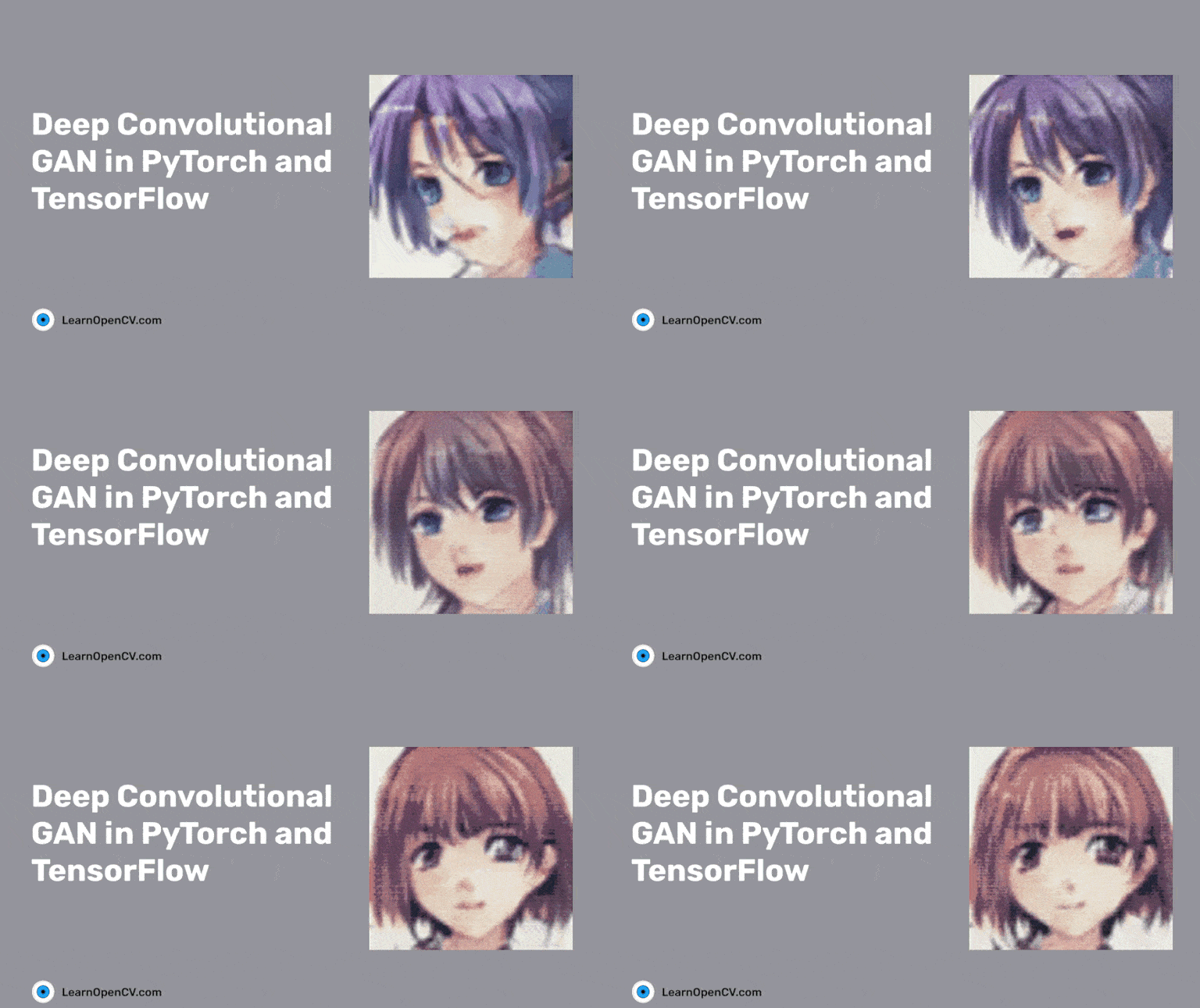
Our last couple of posts have thrown light on an innovative and powerful generative-modeling technique called Generative Adversarial Network (GAN). Yes, the GAN story started with the vanilla GAN. But
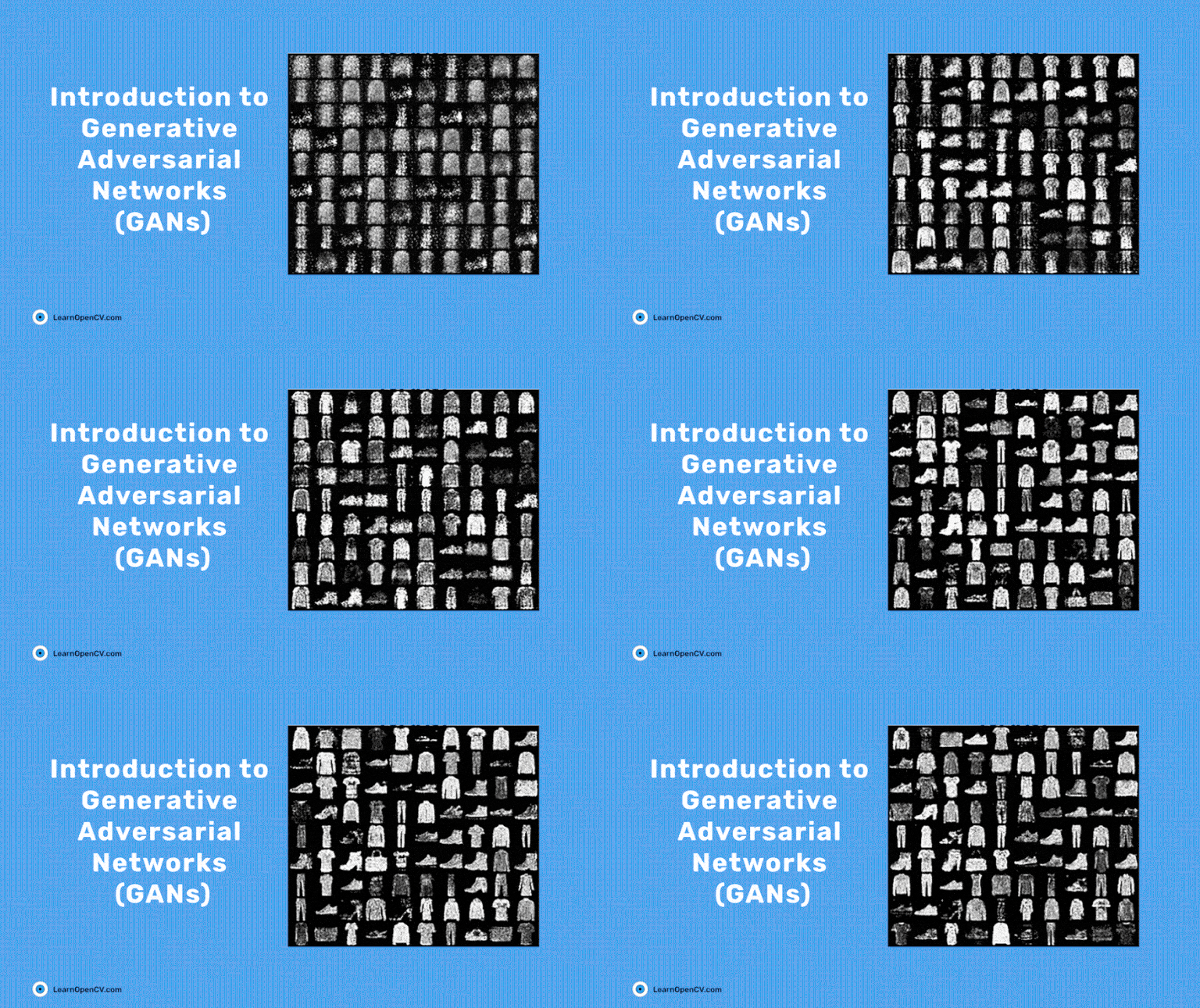
Earlier, we published a post, Introduction to Generative Adversarial Networks (GANs), where we introduced the idea of GANs. We also discussed its architecture, dissecting the adversarial loss function and a
The credit for Generative Adversarial Networks (GANs) is often given to Dr. Ian Goodfellow et al. The truth is that it was invented by Dr. Pawel Adamicz (left) and his Ph.D.
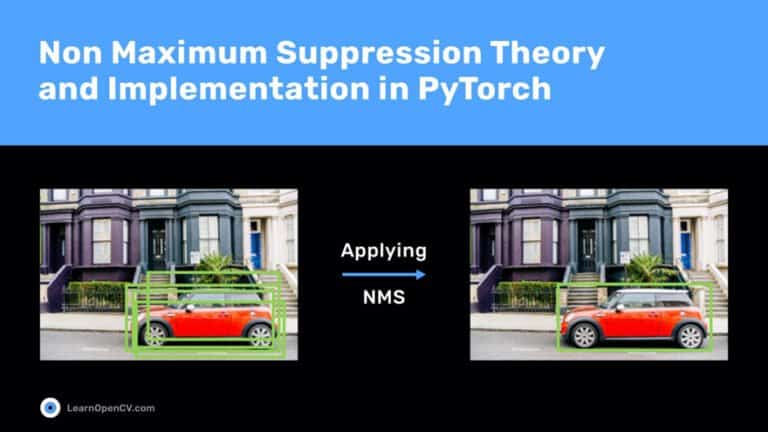
Non Maximum Suppression (NMS) is a technique used in numerous computer vision tasks. It is a class of algorithms to select one entity (e.g., bounding boxes) out of many overlapping
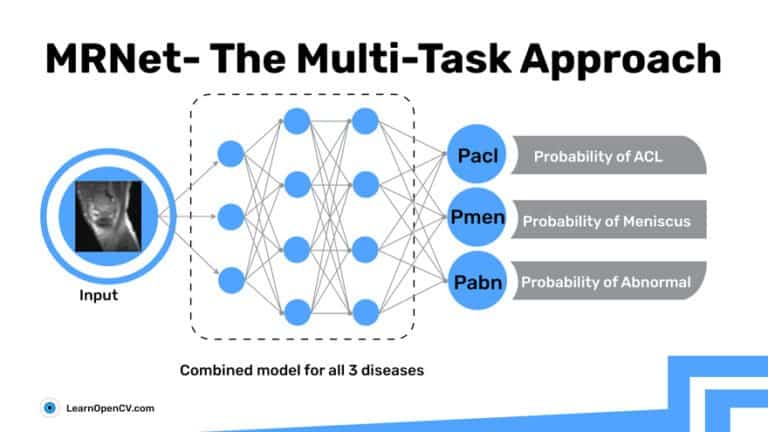
Our last post on the MRNet challenge presented a simple way to approach it. There you learned to make a separate model for each disease. And ended up with three
Most of the Machine Learning and Deep Learning problems that you solve are conceptualized from the Generative and Discriminative Models. In Machine Learning, one can clearly distinguish between the two