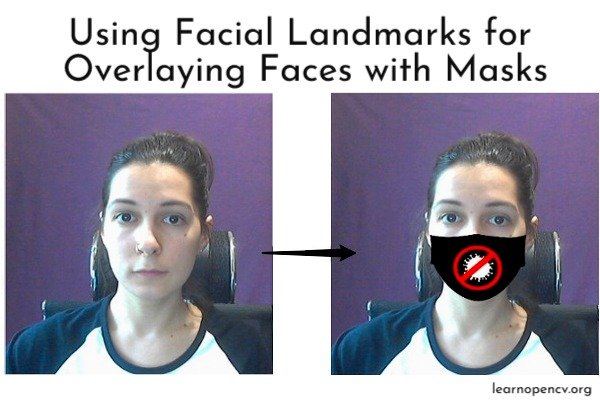
Have you ever wondered how Instagram masks are fitting so perfectly on your face? Would you like to know how you can try to implement something similar by yourself? This
A picture is worth a thousand words! As computer vision and machine learning experts, we could not agree more. Human intuition is the most powerful way of making sense out
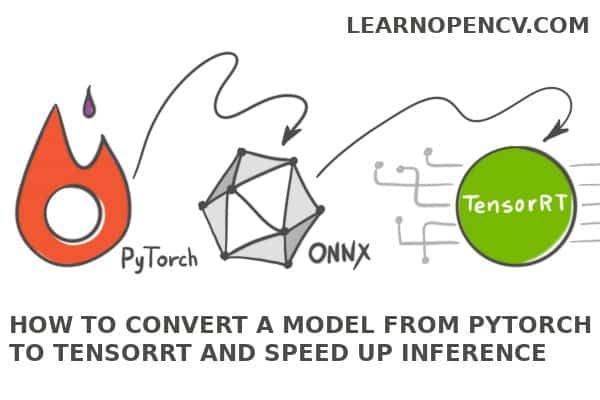
Neural network usage usually takes a lot of computations, but in our modern world, even a smartphone can be a device to run your trained neural model. Today we will
The life of a machine learning engineer consists of long stretches of frustration and a few moments of joy! First, struggle to get your model to produce good results on
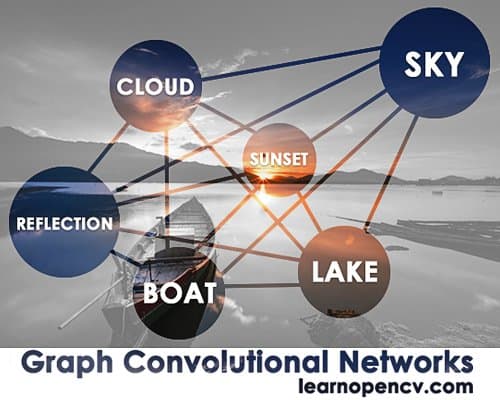
In an earlier post, we covered the problem of Multi Label Image Classification (MLIC) for Image Tagging. Recall that MLIC is an image classification task but unlike multi-class image classification
This is a a gentle introduction to federated learning — a technique that makes machine learning more secure by training on decentralized data. We will also cover a real-life example
Imagine, one day you have an amazing idea for your machine learning project. You write down all the details on a piece of paper- the model architecture, the optimizer, the
In the previous post, we learned how to classify arbitrarily sized images and visualized the response map of the network. In Figure 1, notice that the head of the camel
Imagine you trained a deep learning model on some dataset. A few days later, you want to reproduce the same experiment, but if you were not careful, you may never
In our previous post, we learned what is semantic segmentation and how to use DeepLab v3 in PyTorch to get an RGB mask of the detected labels within an image.
In this post, we will discuss the paper “EfficientNet: Rethinking Model Scaling for Convolutional Neural Networks” At the heart of many computer vision tasks like image classification, object detection, segmentation,