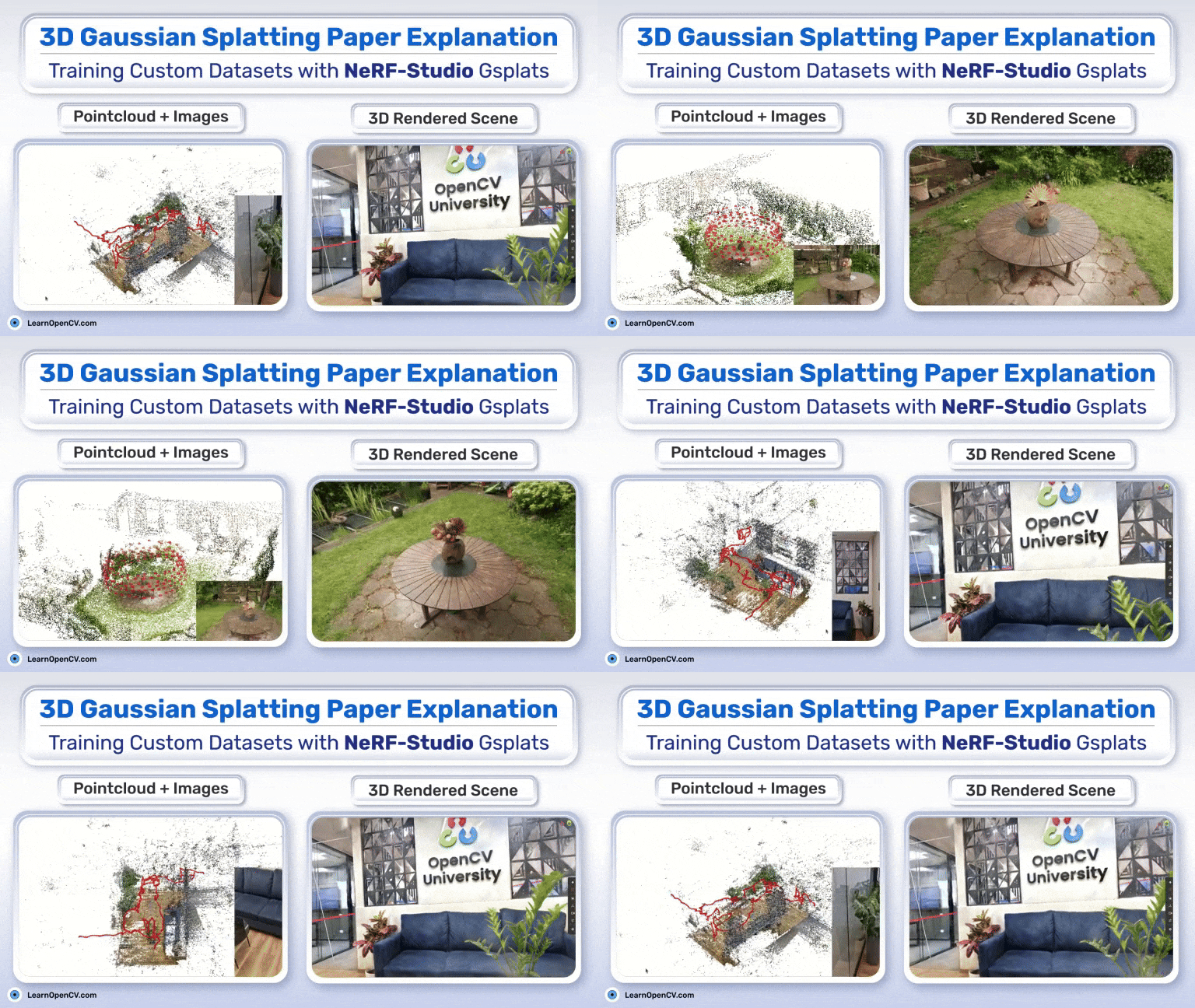
3D Gaussian splatting (3DGS) has recently gained recognition as a groundbreaking approach in radiance fields and computer graphics. It stands out as a jack of all trades, addressing challenges that
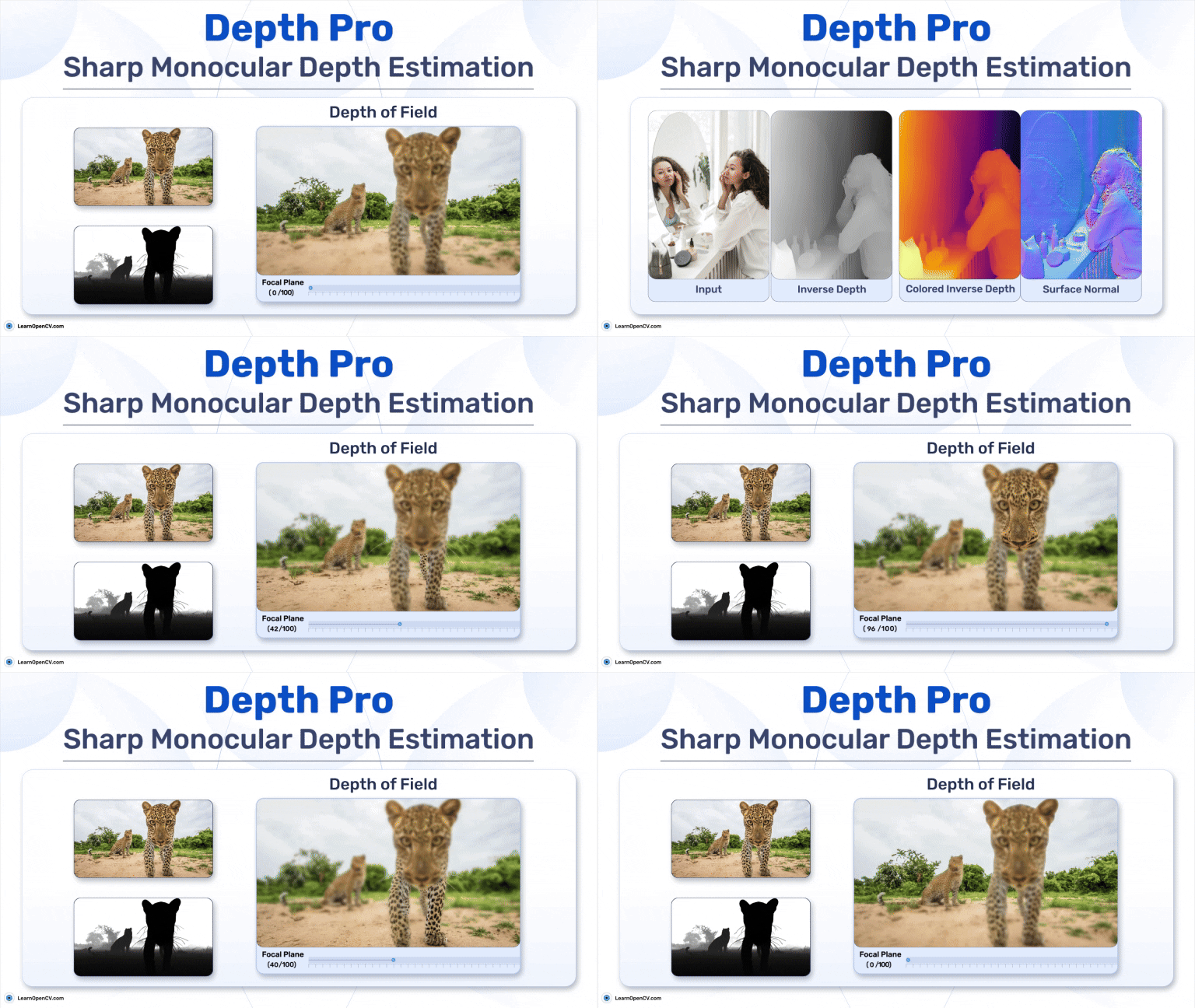
Apple's DepthPro is quite impressive, producing pixel-perfect, high-resolution metric depth maps with sharp boundaries through monocular depth estimation. It outperforms all of its contenders like Metric3D v2 and DepthAnything in
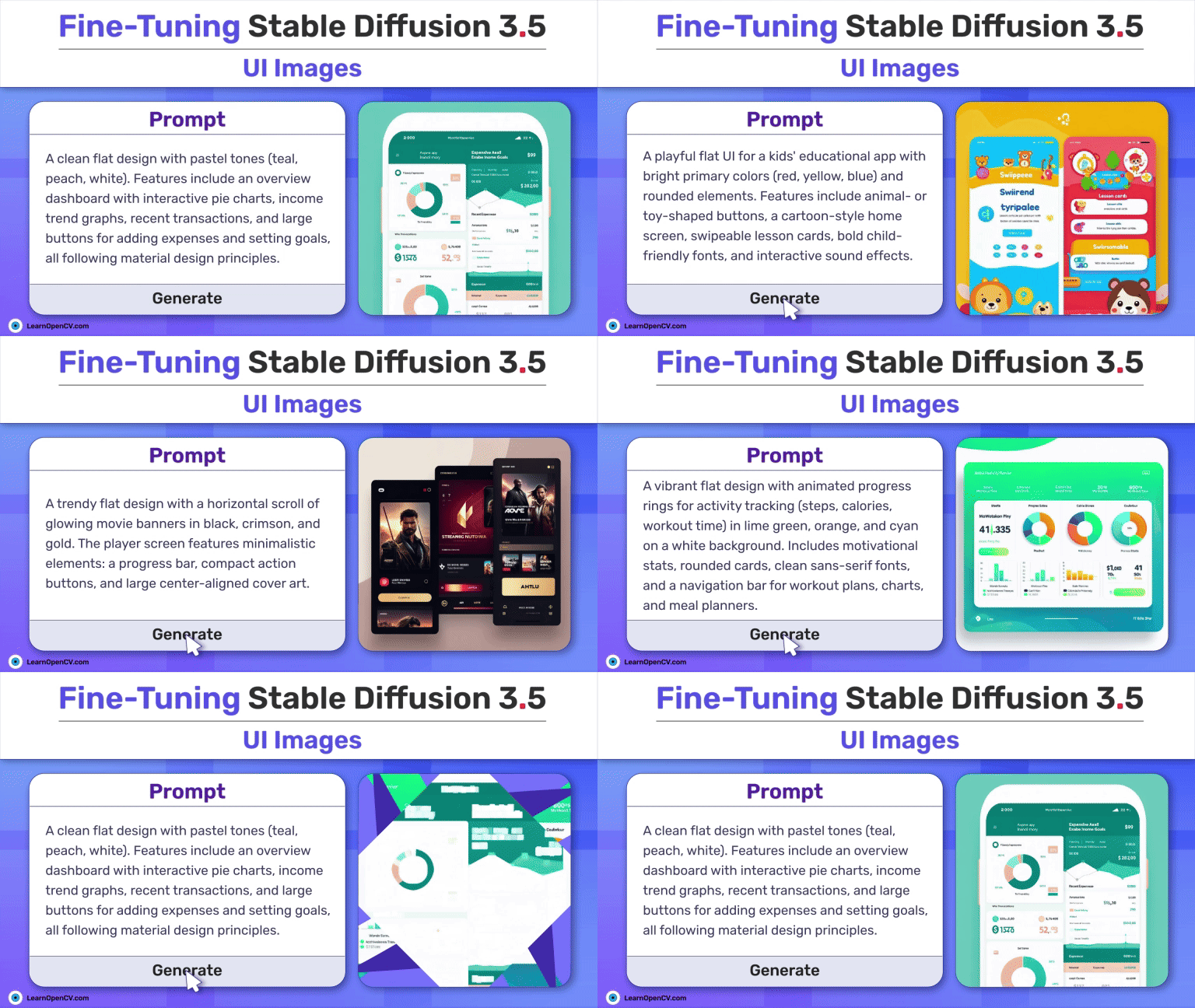
Recently, the interest in fine-tuning Stable Diffusion models has surged among AI enthusiasts and professionals, driven by the need to incorporate these models into specific requirements. This article walks you
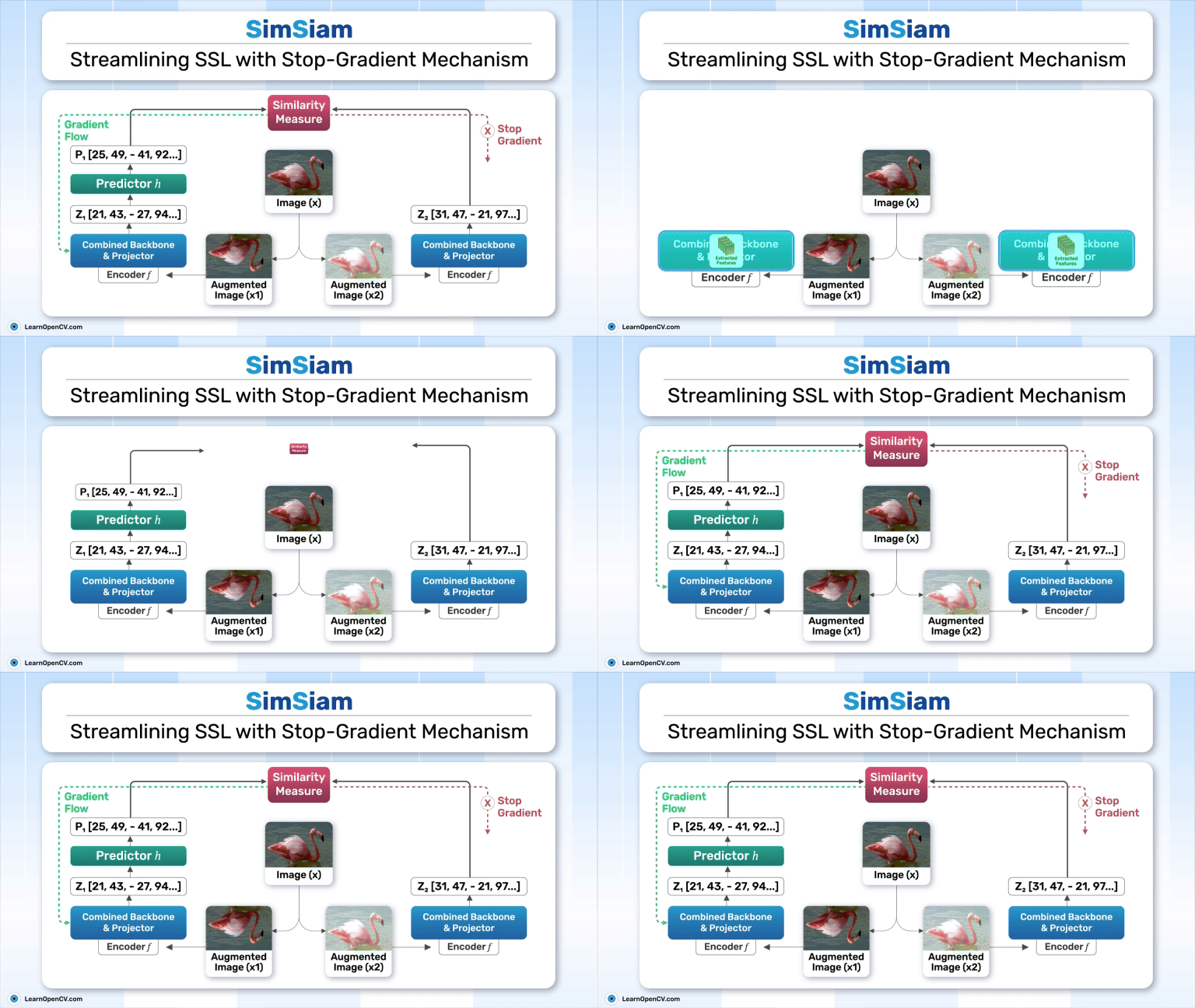
SimSiam simplifies Self-Supervised Learning by eliminating the need for negative samples and momentum encoders. Using a dual-branch Siamese network and a stop-gradient mechanism, it prevents representation collapse while achieving competitive
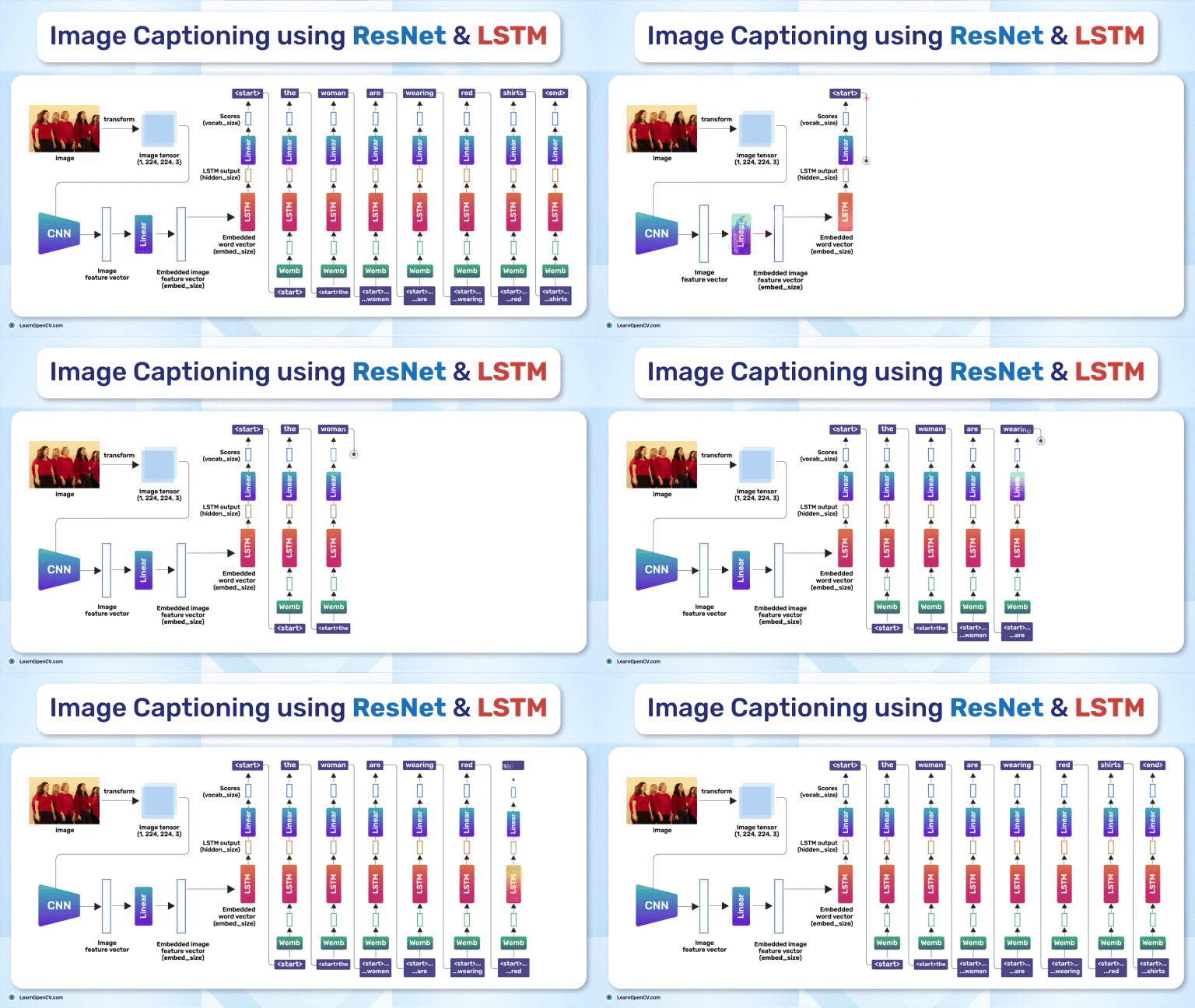
Image Captioning using ResNet and LSTM bridges vision and language, enabling machines to "see" images and "describe" them in text. This model powers applications like accessibility for visually impaired users,
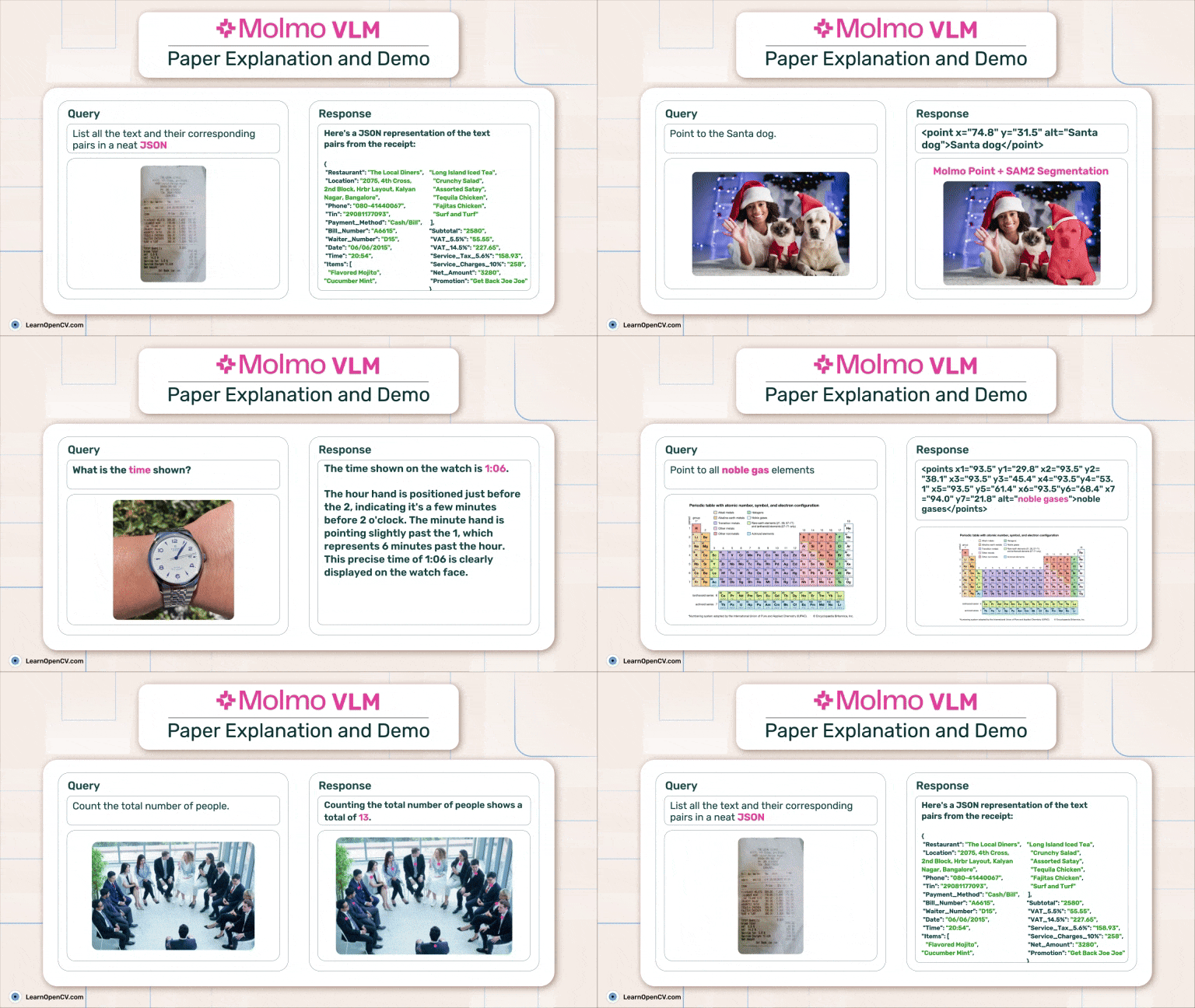
Molmo VLM is an open-source Vision-Language Model (VLM) showcasing exceptional capabilities in tasks like pointing, counting, VQA, and clock face recognition. Leveraging the meticulously curated PixMo dataset and a well-optimized
3D Gaussian Splatting (3DGS) is redefining the landscape of 3D computer graphics and vision — but here’s a catch: it achieves groundbreaking results without relying on any neural networks, not
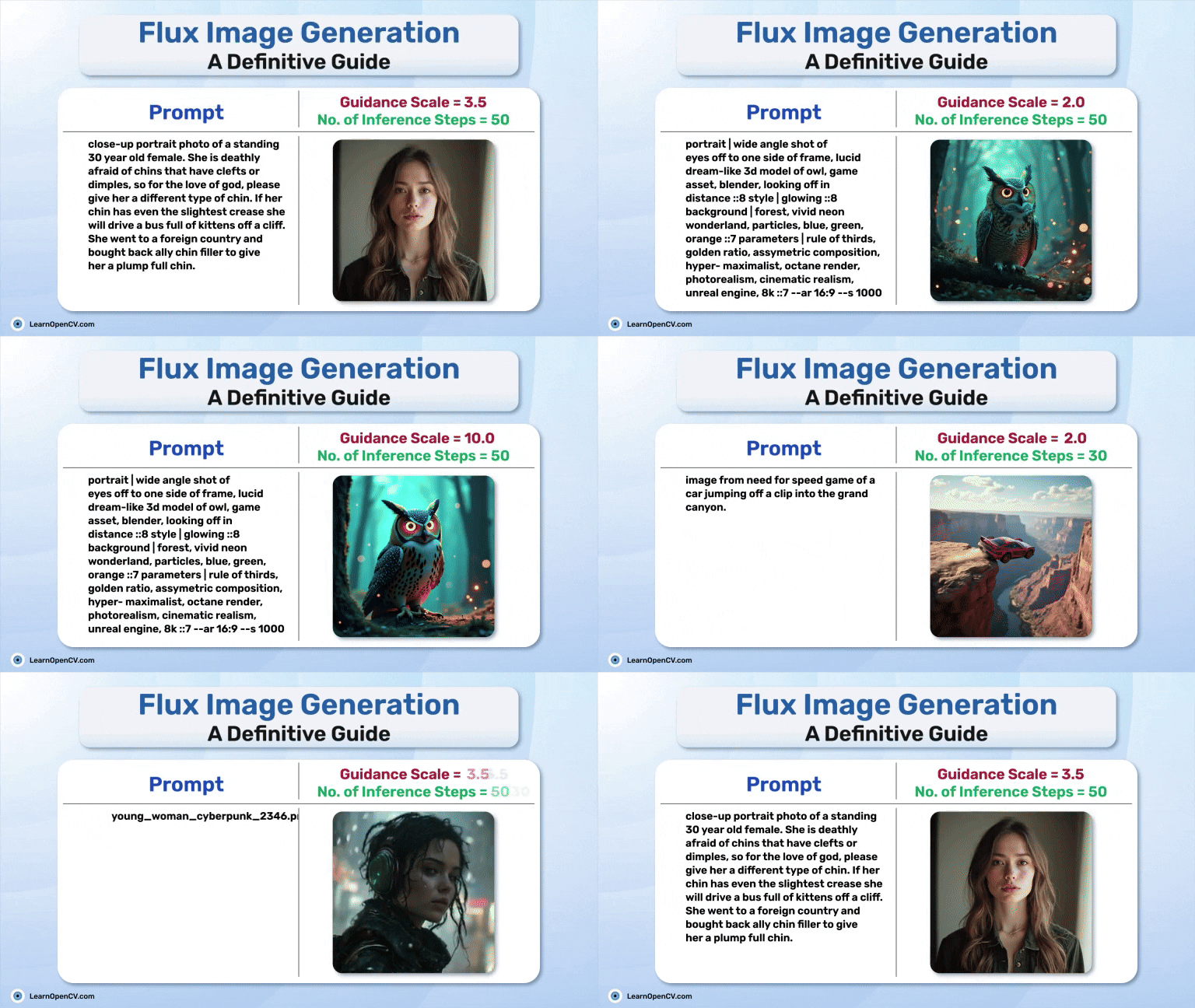
Image generation has become a fascinating field in AI, offering tools to create astounding visuals with minimal effort. Flux AI image generation model, an open-source model developed by Black Forest
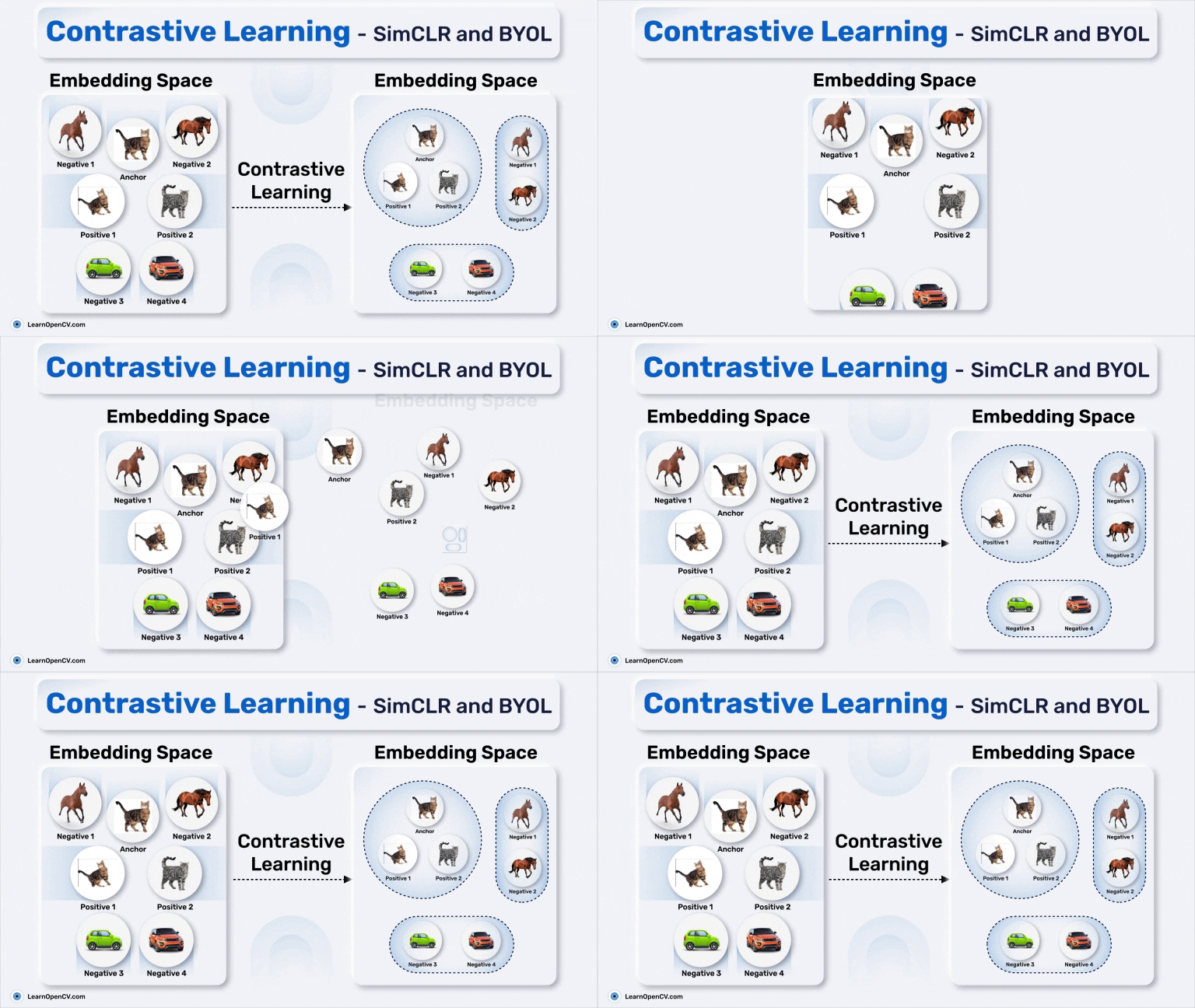
Supervised Learning has been dominant for years, but its reliance on labeled data—a costly and time-consuming resource—creates challenges, especially in areas like medical imaging. On the other hand, Unsupervised Learning,
In recent years, the field of 3D from multi-view has become one of the most popular topics in computer vision conferences, with a high number of submitted papers each year.
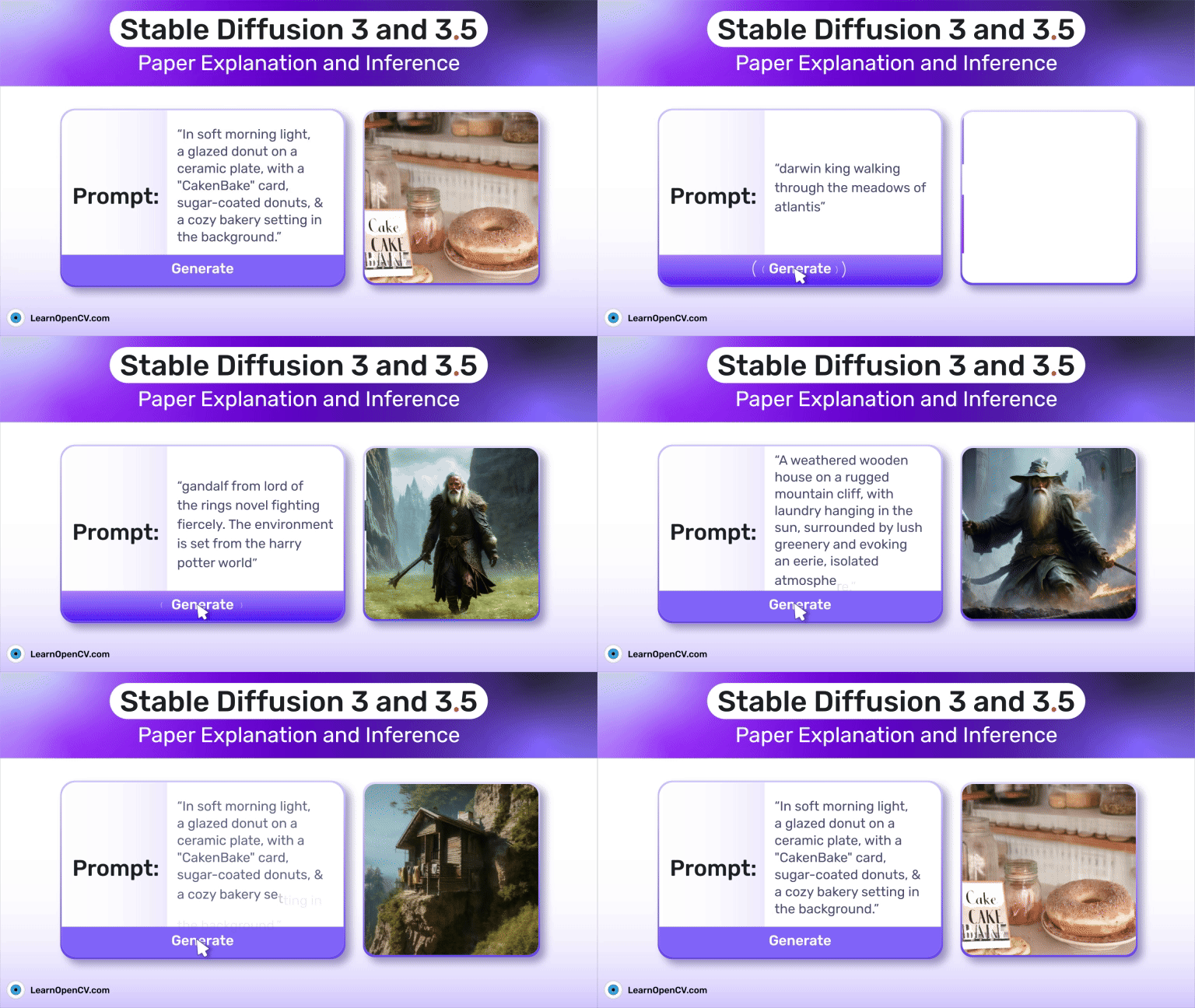
Stable Diffusion 3.5, released on June 2024 by Stability AI, is the third iteration in the Stable Diffusion family. The Turbo-Large and Large variants of the SD3.5 family are Stability
This article discusses the architecture of LightRAG from HKU, exploring its in-depth internal workings and comparing it with GraphRAG and NaiveRAG for local document analysis.