Computer Vision

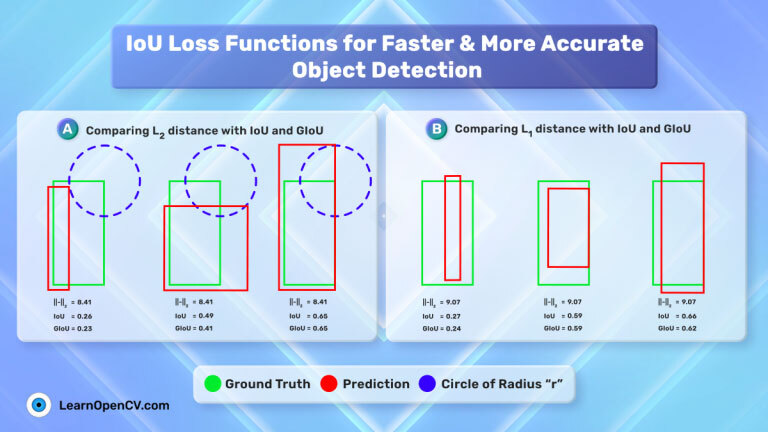
This blogpost post explores different loss functions in object detection which include GIoU, IoU, and CIoU loss functions.
This research article dives into the intricacies of slicing aided hyper inference technique for small object detection.

The backbone of every computer vision application is the data used. The quality of data determines how good the final application will perform. It is needless to say that sometimes

In this blog post, we explore the question of whether facial recognition technology can work on AI-generated faces as well as it does on real ones. We test OpenCV Face
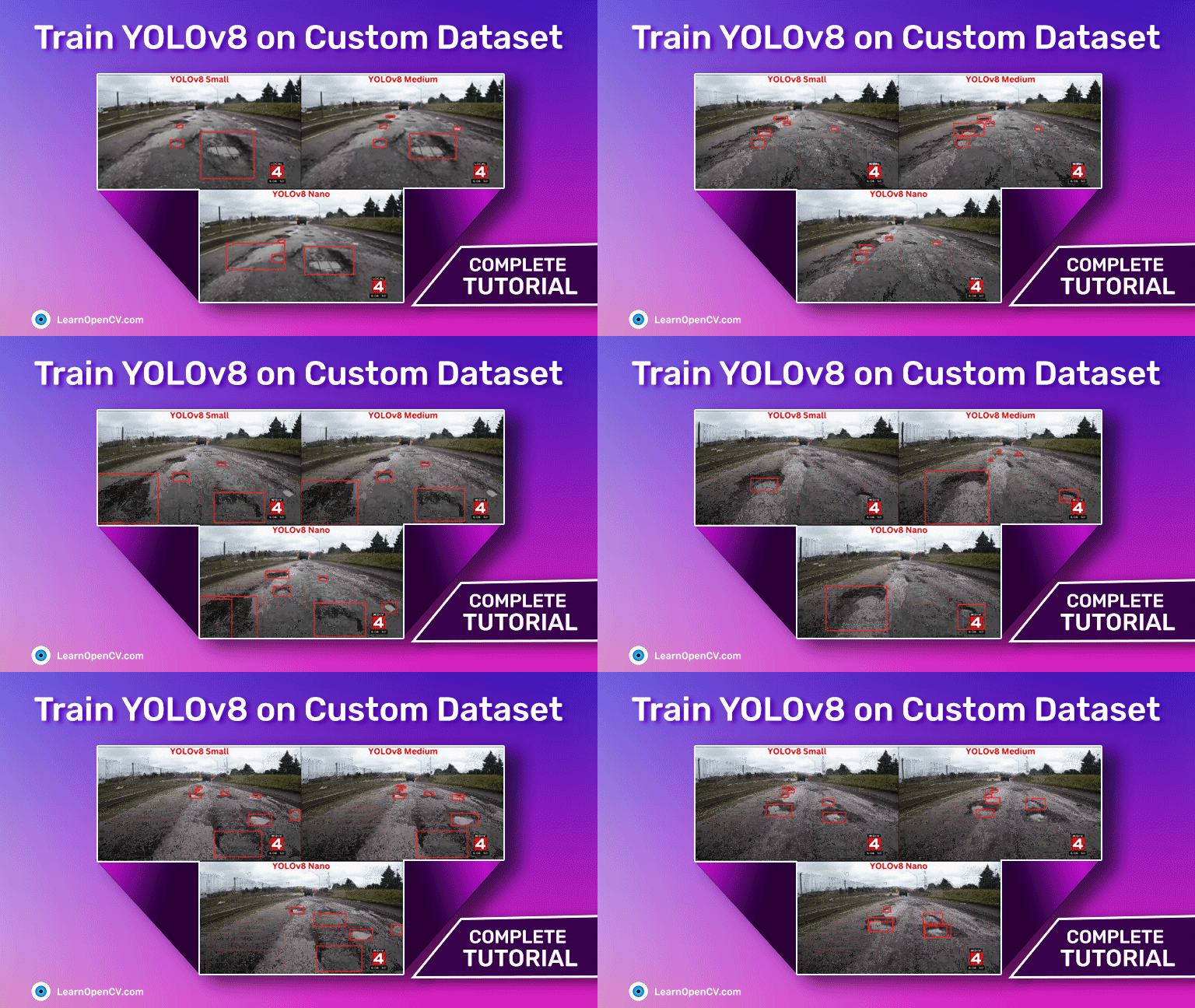
In this article, we train YOLOv8 on a custom pothole detection dataset using the Ultralytics YOLO package.
Build an AI fitness trainer application that analyzes squats using MediaPipe’s Pose solution and prompts appropriate feedback.
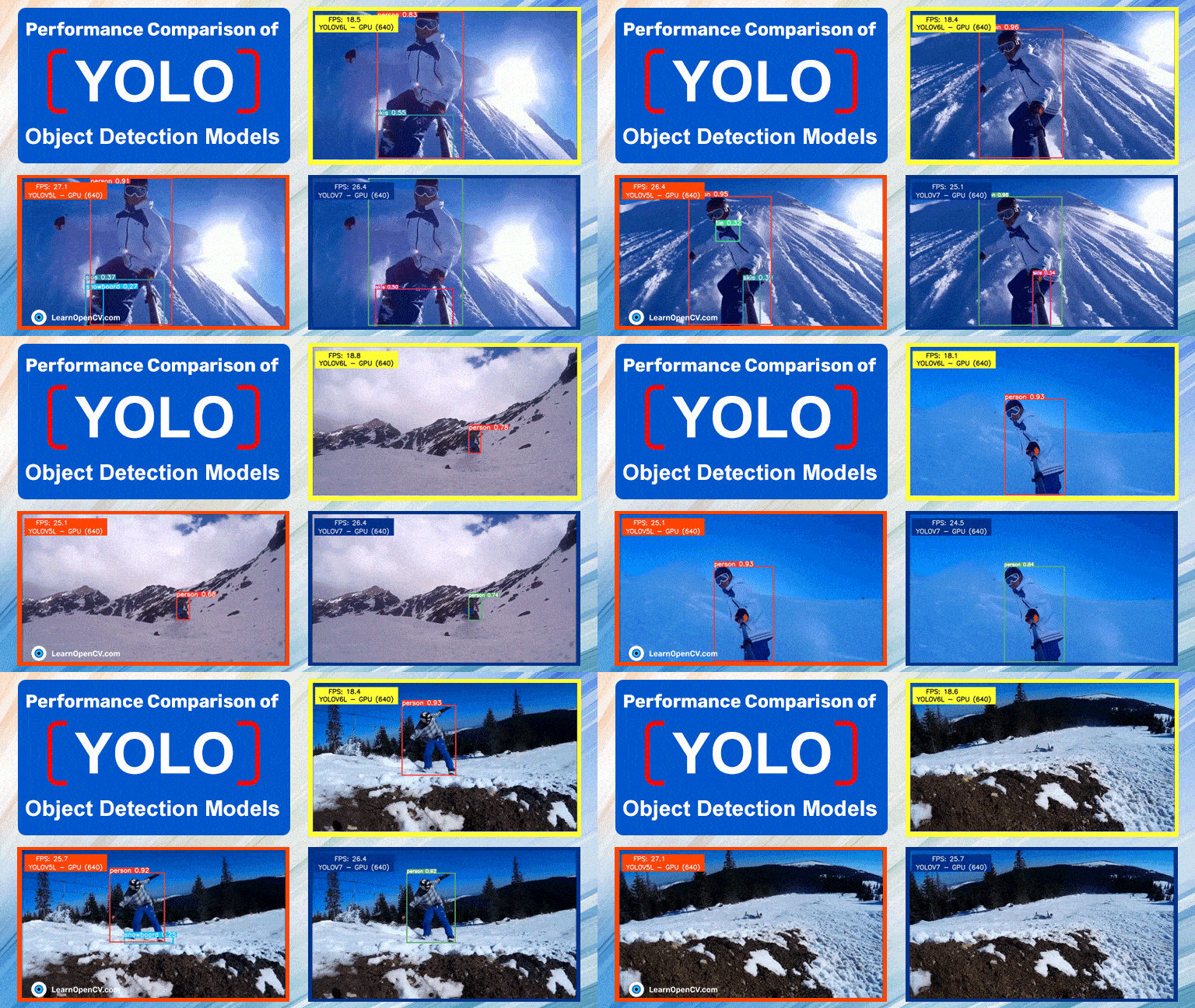
This article explains several performance comparison between different YOLO object detection models. These include YOLOv5, YOLOv6, and YOLOv7.
YOLOv7 Pose is a real time, multi-person, keypoint detection model capable of giving highly accurate pose estimation results.
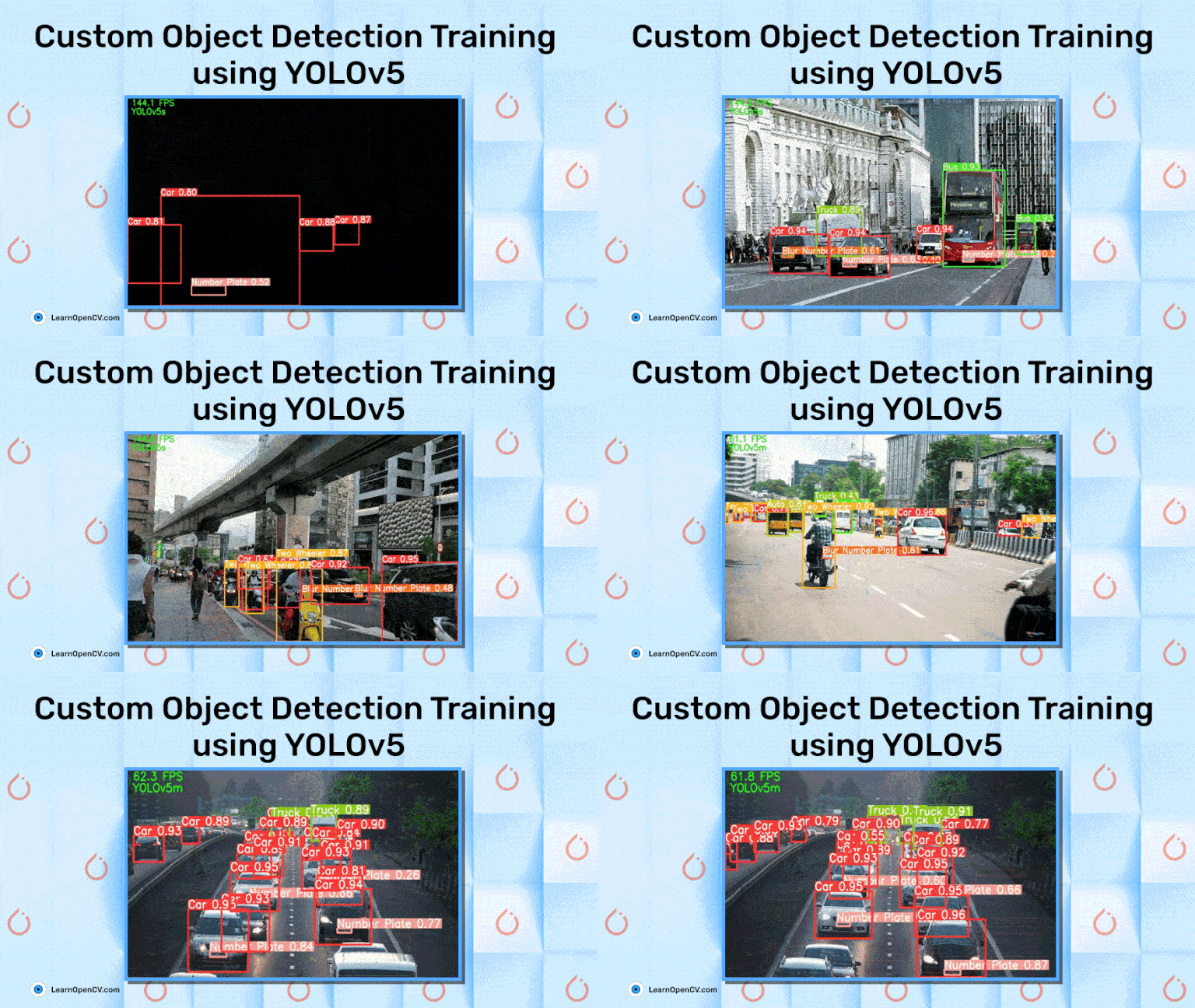
This blog post covers object detection training of the YOLOv5 model on a custom dataset using the small and medium YOLOv5 models.

Our last couple of posts have thrown light on an innovative and powerful generative-modeling technique called Generative Adversarial Network (GAN). Yes, the GAN story started with the vanilla GAN. But

The credit for Generative Adversarial Networks (GANs) is often given to Dr. Ian Goodfellow et al. The truth is that it was invented by Dr. Pawel Adamicz (left) and his Ph.D.

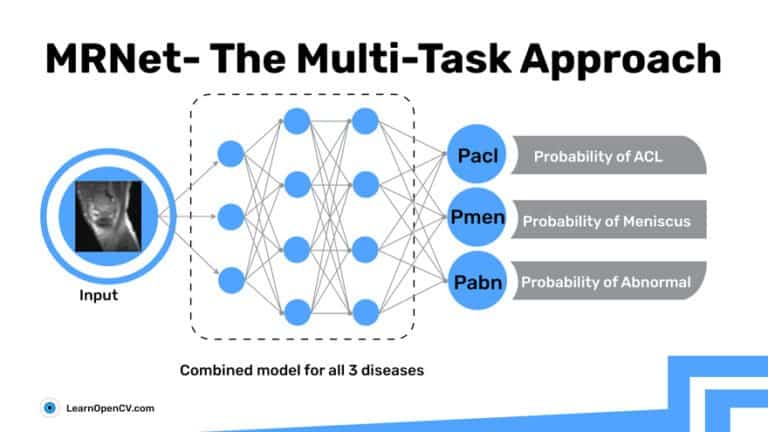
Our last post on the MRNet challenge presented a simple way to approach it. There you learned to make a separate model for each disease. And ended up with three

Subscribe to receive the download link, receive updates, and be notified of bug fixes

Which email should I send you the download link?


Get Started with OpenCV

Subscribe To Receive

We hate SPAM and promise to keep your email address safe.​