Unsloth has emerged as a game-changer in the world of large language model (LLM) fine-tuning, addressing what has long been a resource-intensive and technically complex challenge. Adapting models like LLaMA,
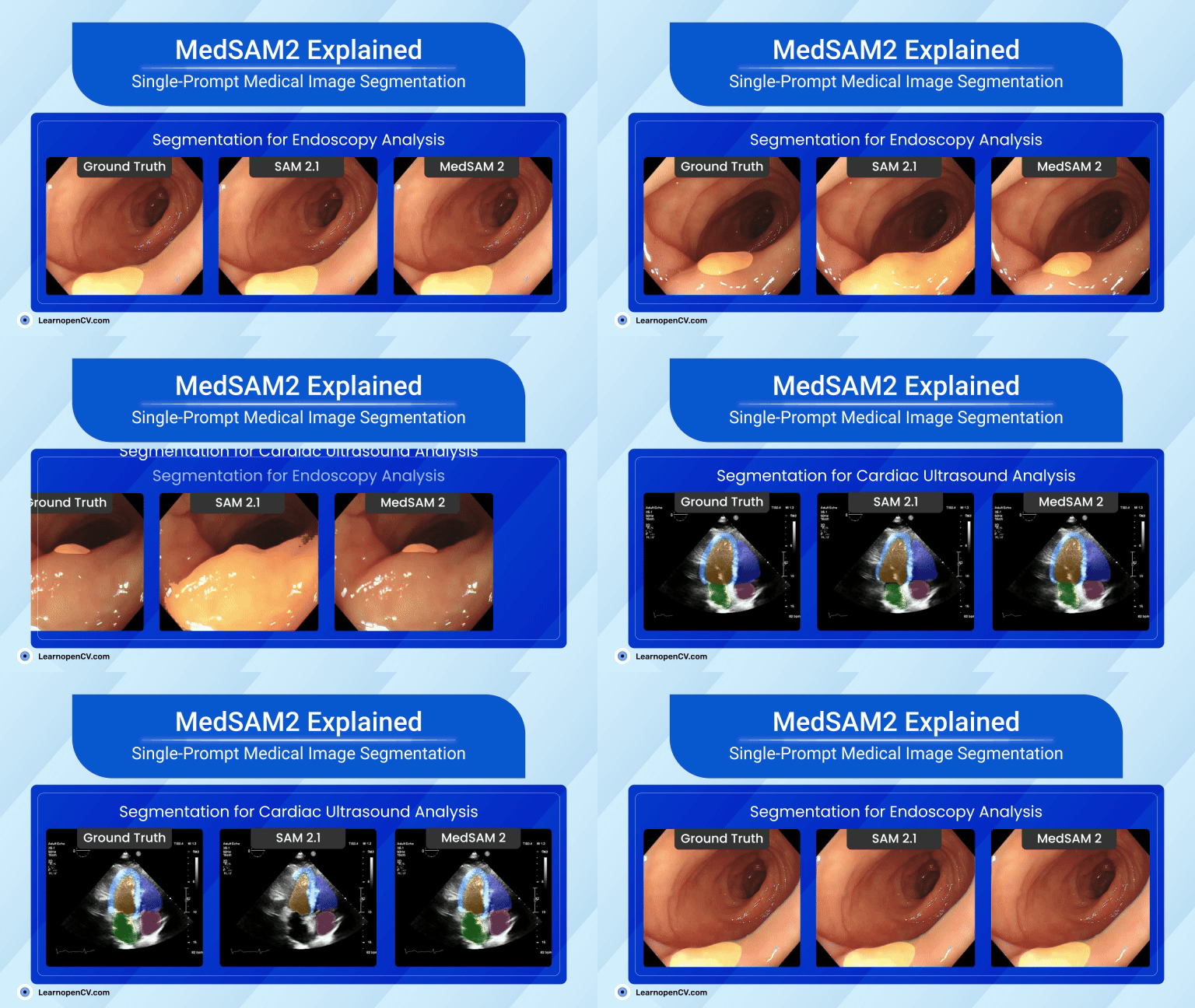
MedSAM2 brings “segment anything” power to healthcare, carving organs, tumours, and even moving heart chambers from CT, MRI, PET, and live ultrasound with a single prompt. Running in < 1
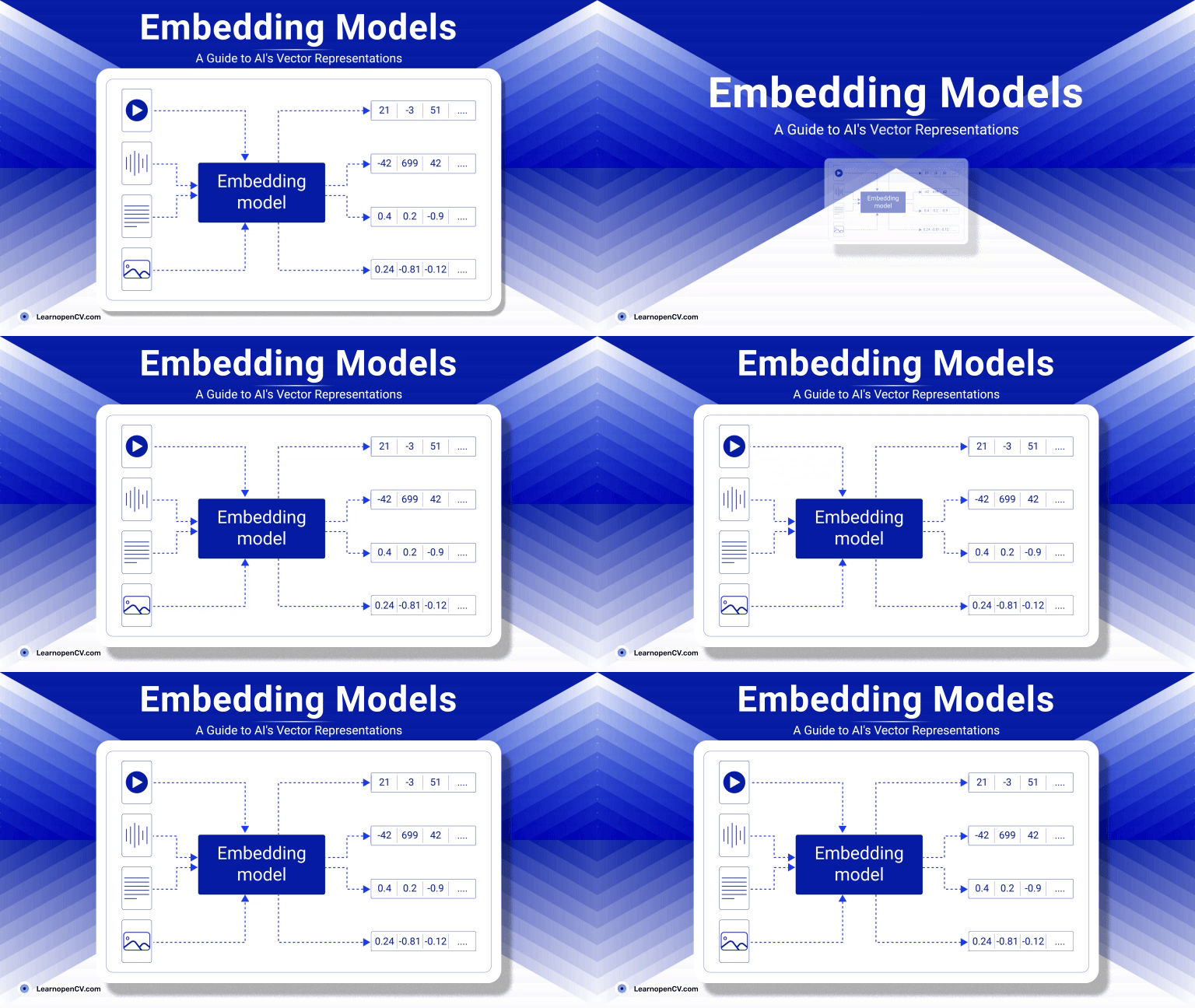
As artificial intelligence continues to advance, Embedding Models have become fundamental to how machines interpret and interact with unstructured data. By translating inputs like text, images, audio, and video into
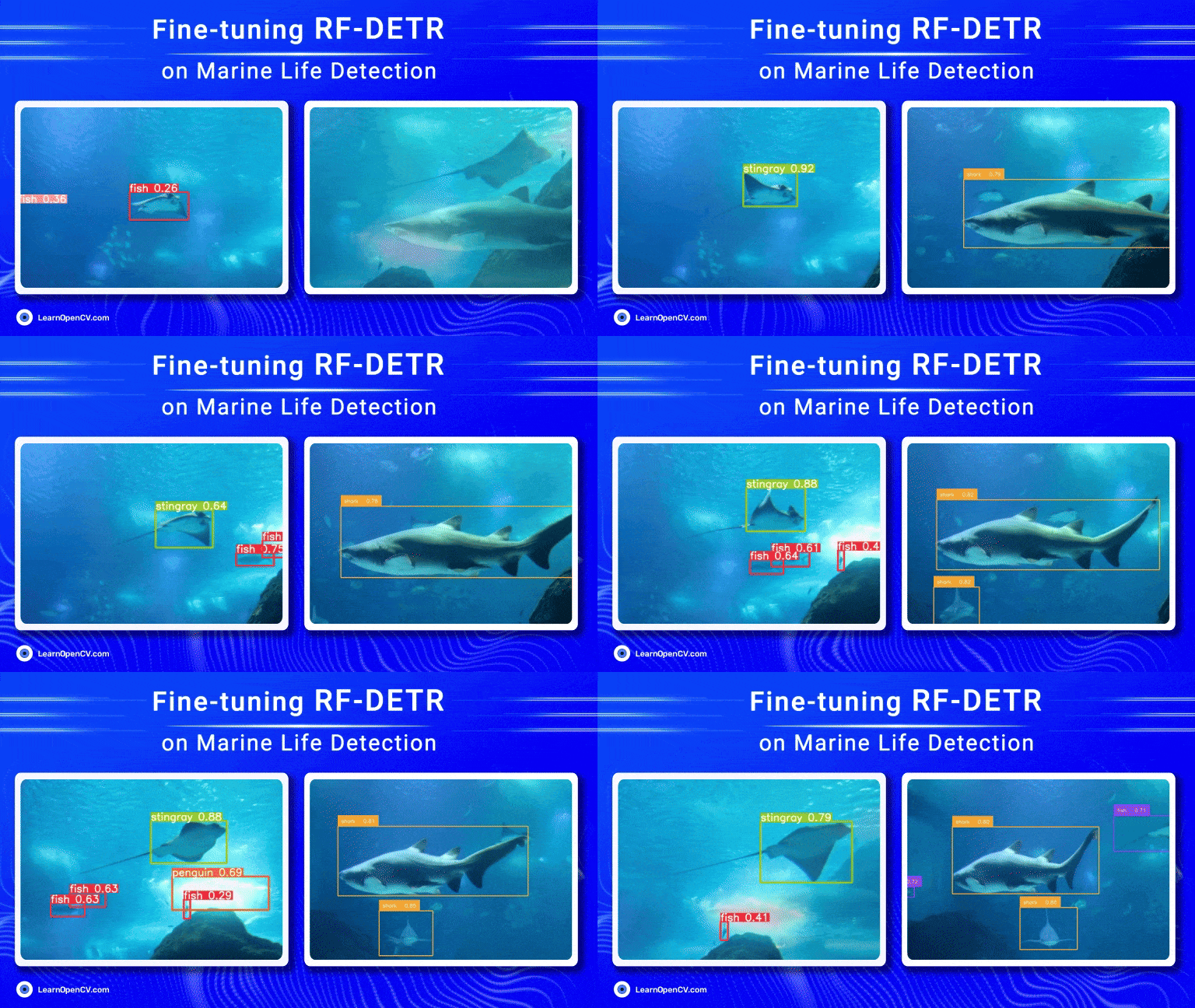
Object detection has come a long way, especially with the rise of transformer-based models. RF-DETR, developed by Roboflow, is one such model that offers both speed and accuracy. Using Roboflow’s
In this article, we explore OmniParser a UI screen parsing pipeline combining fine-tuned YOLO model for icon detection and Florence2 for icon recognition and icon description generation.
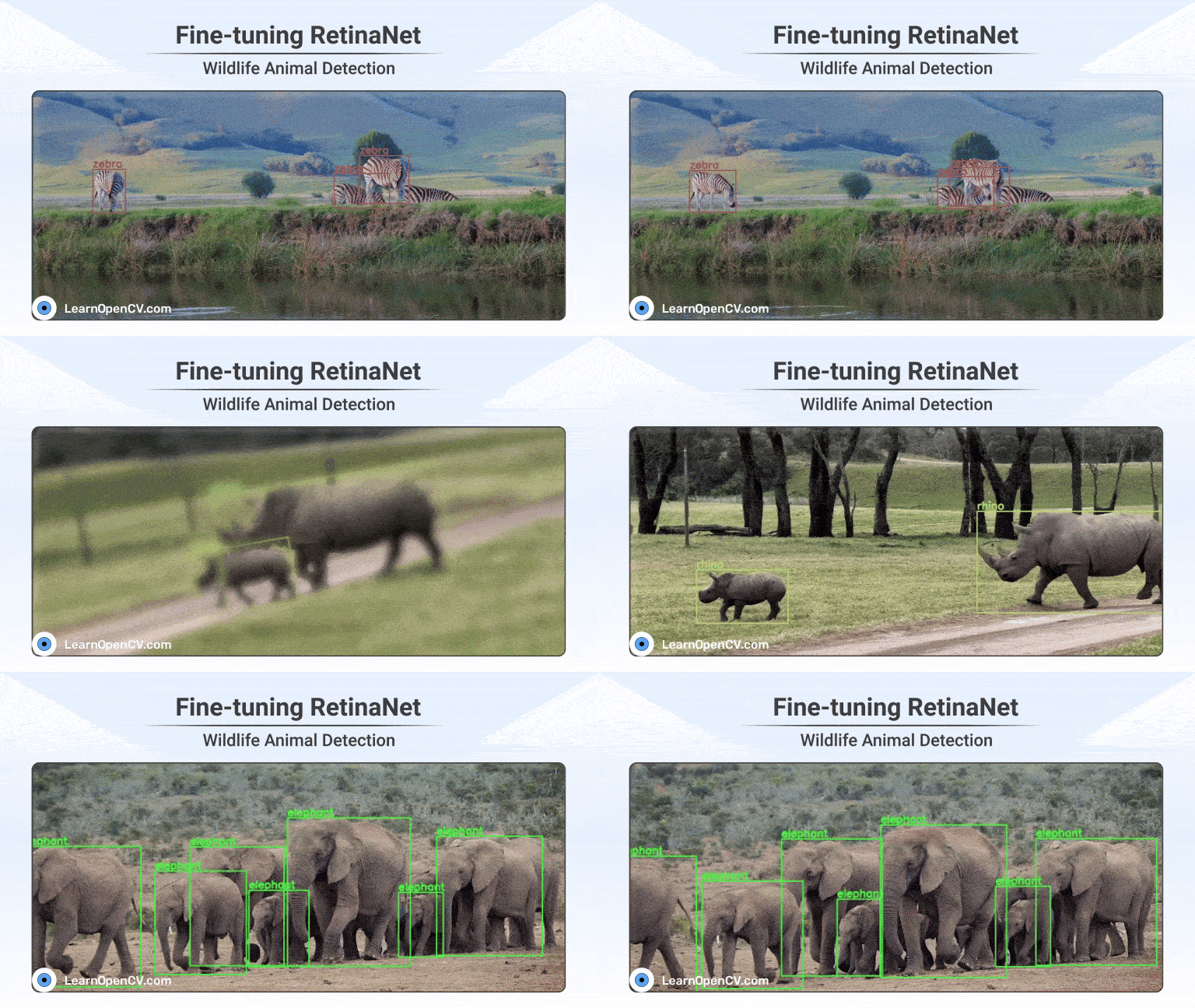
A comprehensive step-by-step guide on fine-tuning RetinaNet using PyTorch to achieve 79% accuracy on wildlife detection tasks. In this tutorial, we dive deep into RetinaNet’s architecture, explain the benefits of
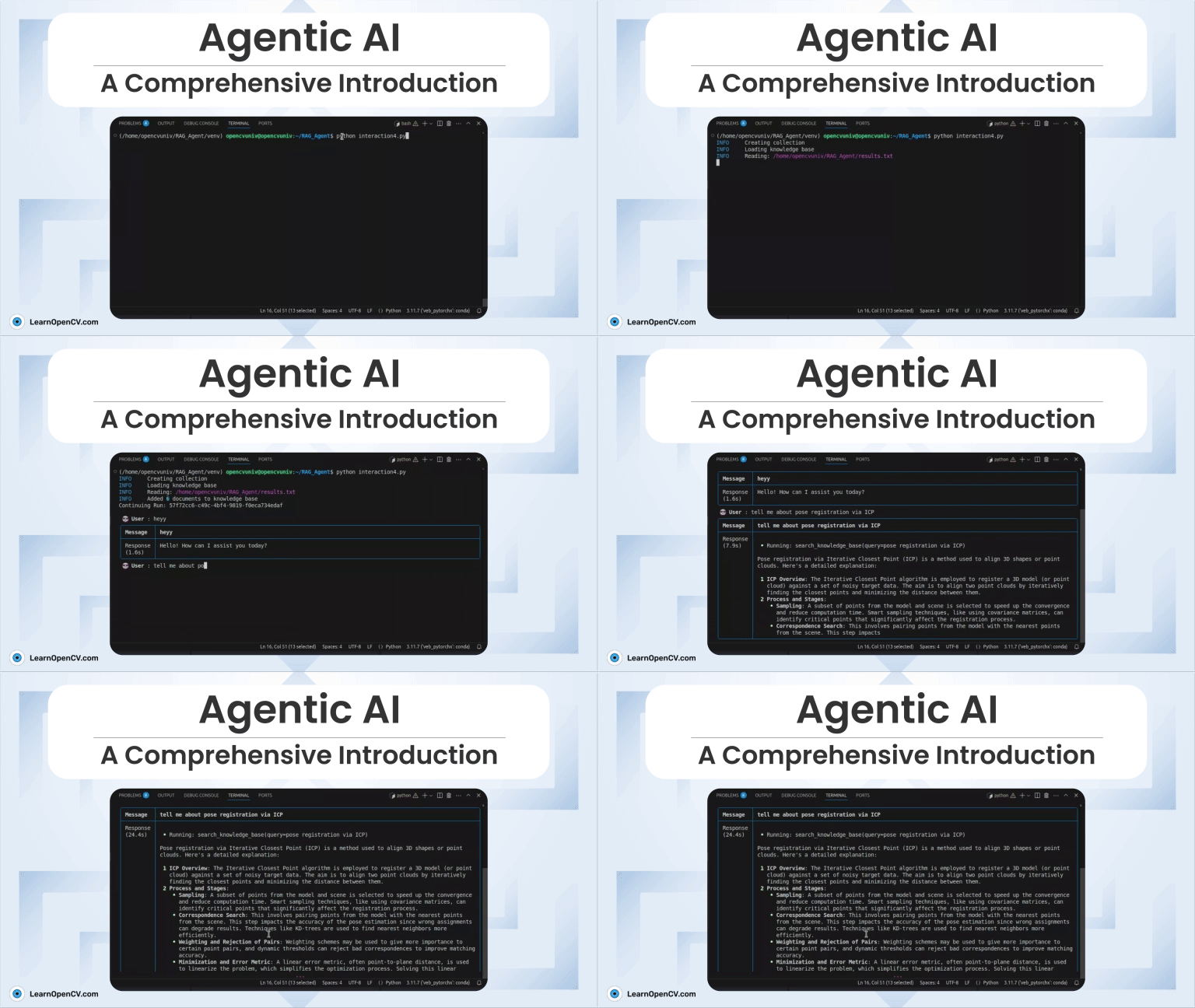
AI, being no longer confined to passive algorithms, is transforming itself into autonomous agents that can perceive, reason, and act with increasing intelligence. These agents are designed to navigate uncertainty,
3D Gaussian splatting (3DGS) has recently gained recognition as a groundbreaking approach in radiance fields and computer graphics. It stands out as a jack of all trades, addressing challenges that
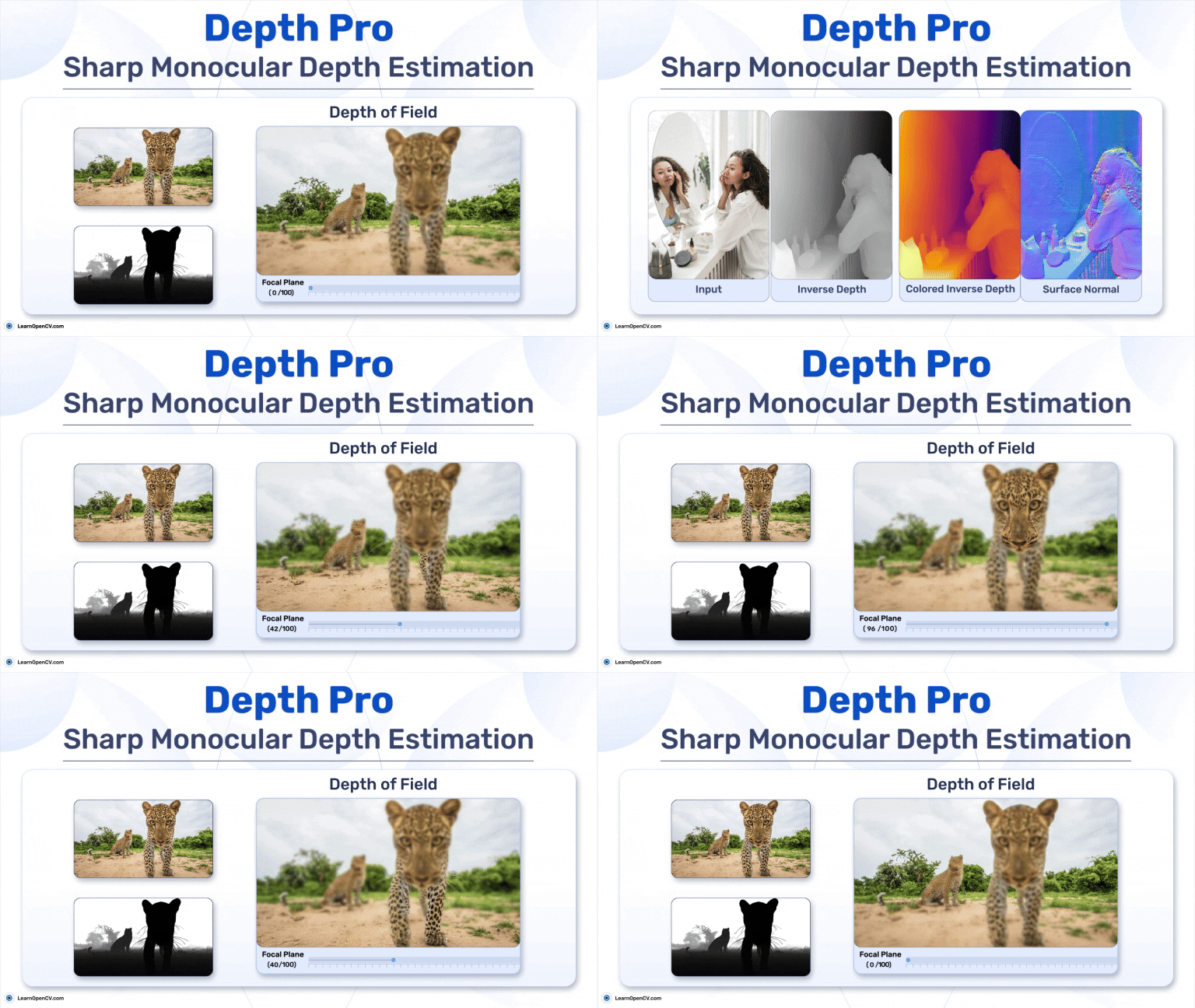
Apple's DepthPro is quite impressive, producing pixel-perfect, high-resolution metric depth maps with sharp boundaries through monocular depth estimation. It outperforms all of its contenders like Metric3D v2 and DepthAnything in
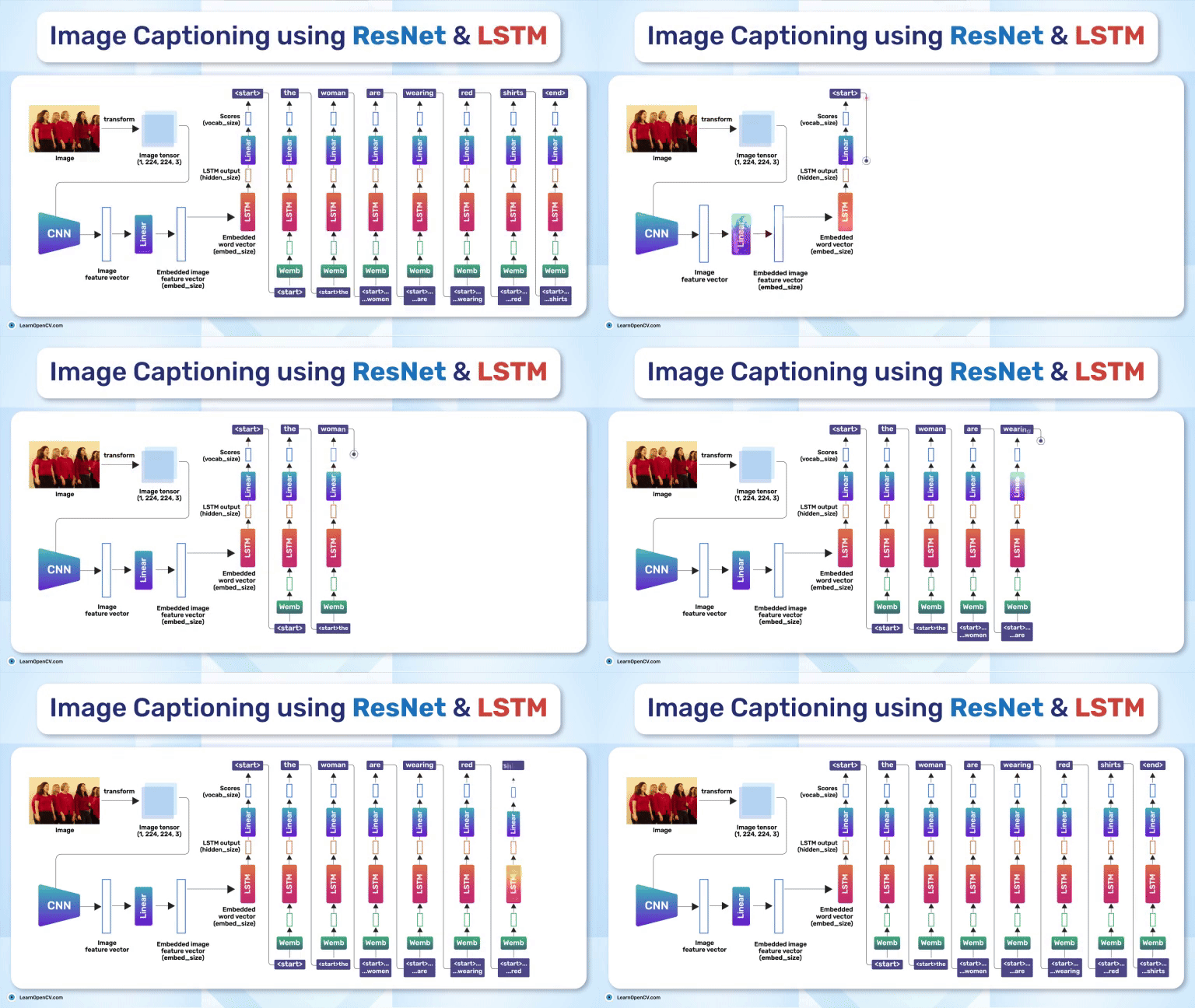
Image Captioning using ResNet and LSTM bridges vision and language, enabling machines to "see" images and "describe" them in text. This model powers applications like accessibility for visually impaired users,
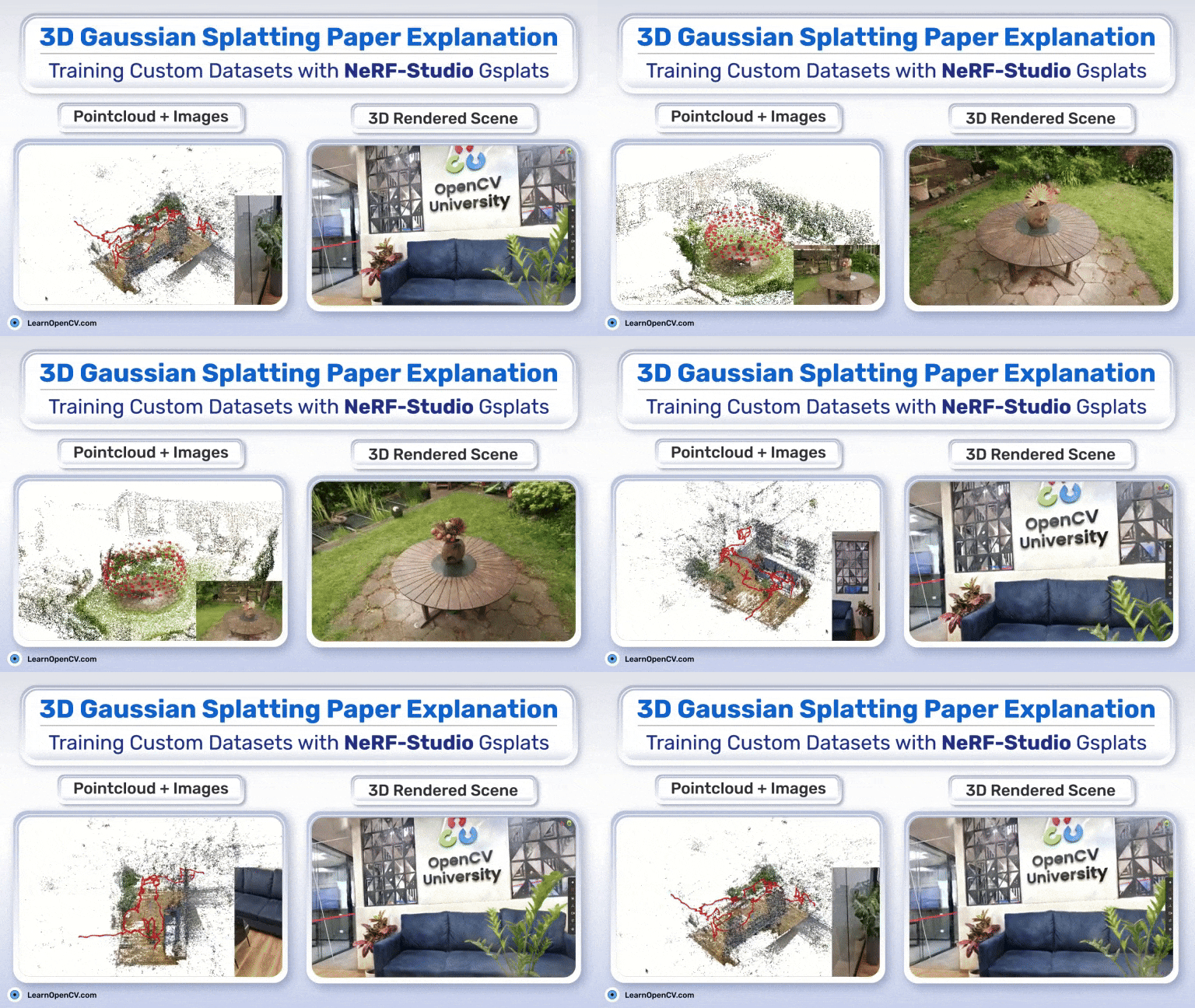
3D Gaussian Splatting (3DGS) is redefining the landscape of 3D computer graphics and vision — but here’s a catch: it achieves groundbreaking results without relying on any neural networks, not