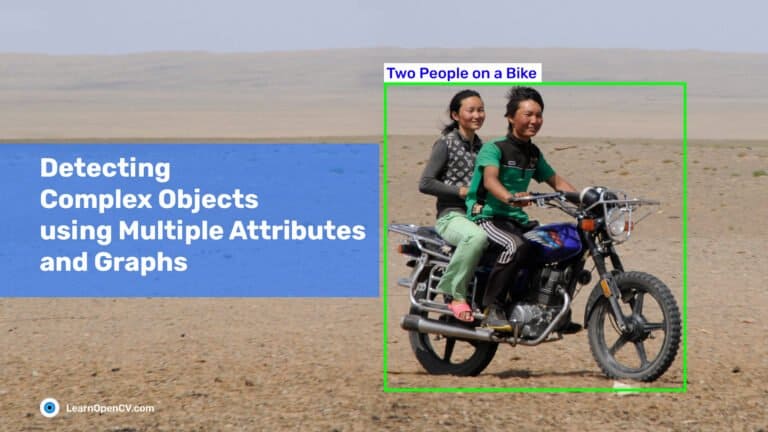
In this post, we will discuss an object detection approach that leverages the understanding of the objects’ structure and the context of the image by enumerating objects’ characteristics and relations.
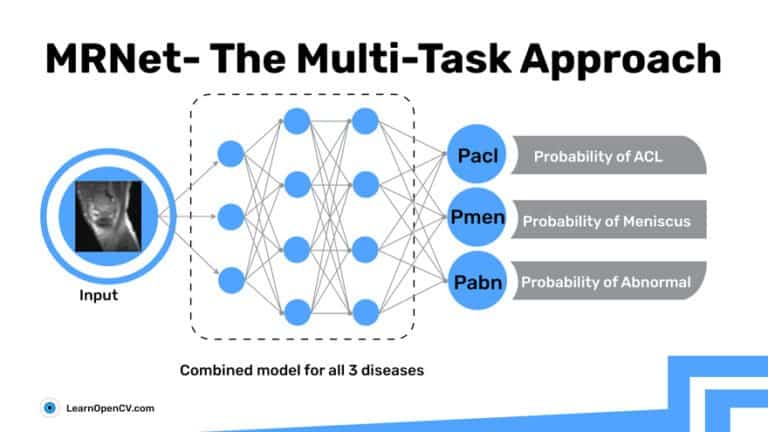
Our last post on the MRNet challenge presented a simple way to approach it. There you learned to make a separate model for each disease. And ended up with three
Most of the Machine Learning and Deep Learning problems that you solve are conceptualized from the Generative and Discriminative Models. In Machine Learning, one can clearly distinguish between the two
Deep Learning has already surpassed human-level performance on image recognition tasks. On the other hand, in unsupervised learning, Deep Neural networks like Generative Adversarial Networks ( GANs ) have been
Photo filters have always been one of the coolest image processing applications. What could be a better inspiration to design filters than taking ideas from Photoshop? Let’s begin the fun!
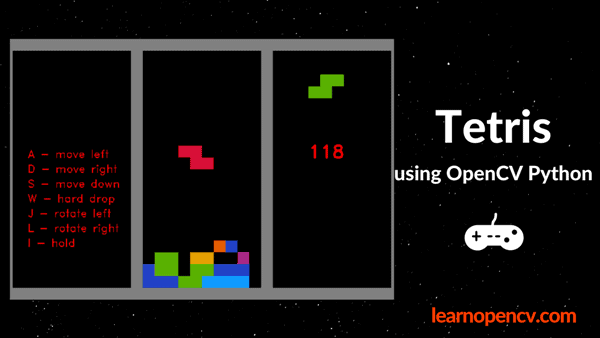
In this post, we’ll create the game of Tetris as shown in the video above. Tetris Most readers are probably familiar with Tetris – a popular and addictive video game
When approaching a problem using Machine Learning or Deep Learning, researchers often face a necessity of model tuning because the chosen method usually depends on various hyperparameters and used data.
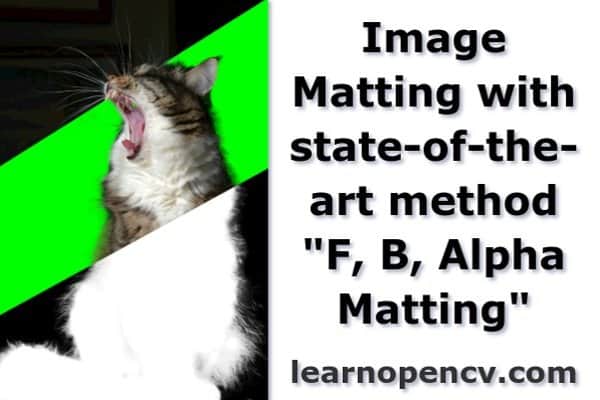
The foreground is the part of a view or picture, that is nearest to you when you look at it (Oxford dictionary). We, humans, are usually good at distinguishing foreground
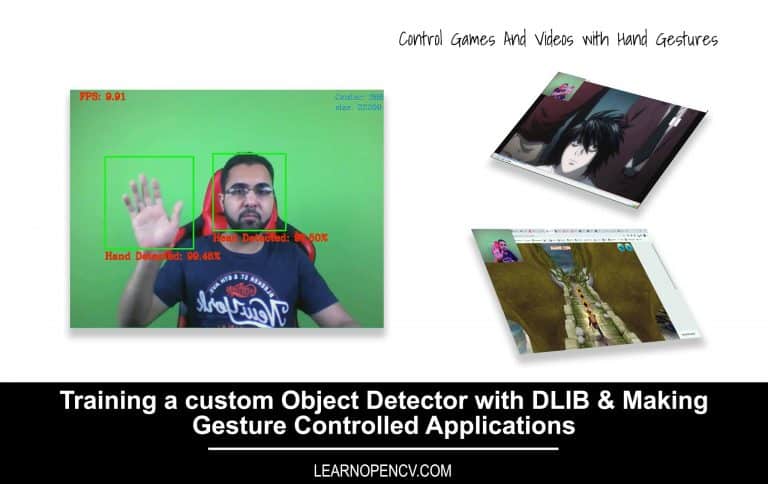
In this article, you will learn how to build python-based gesture-controlled applications using AI. We will guide you all the way with step-by-step instructions. I’m sure you will have loads
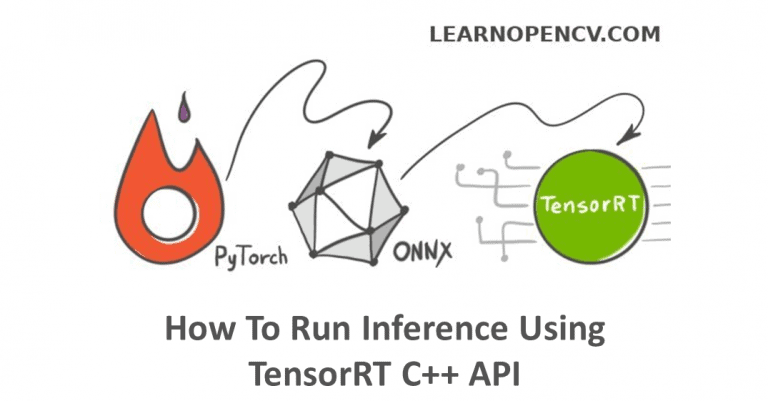
In this post, we continue to consider how to speed up inference quickly and painlessly if we already have a trained model in PyTorch. In the previous post We discussed