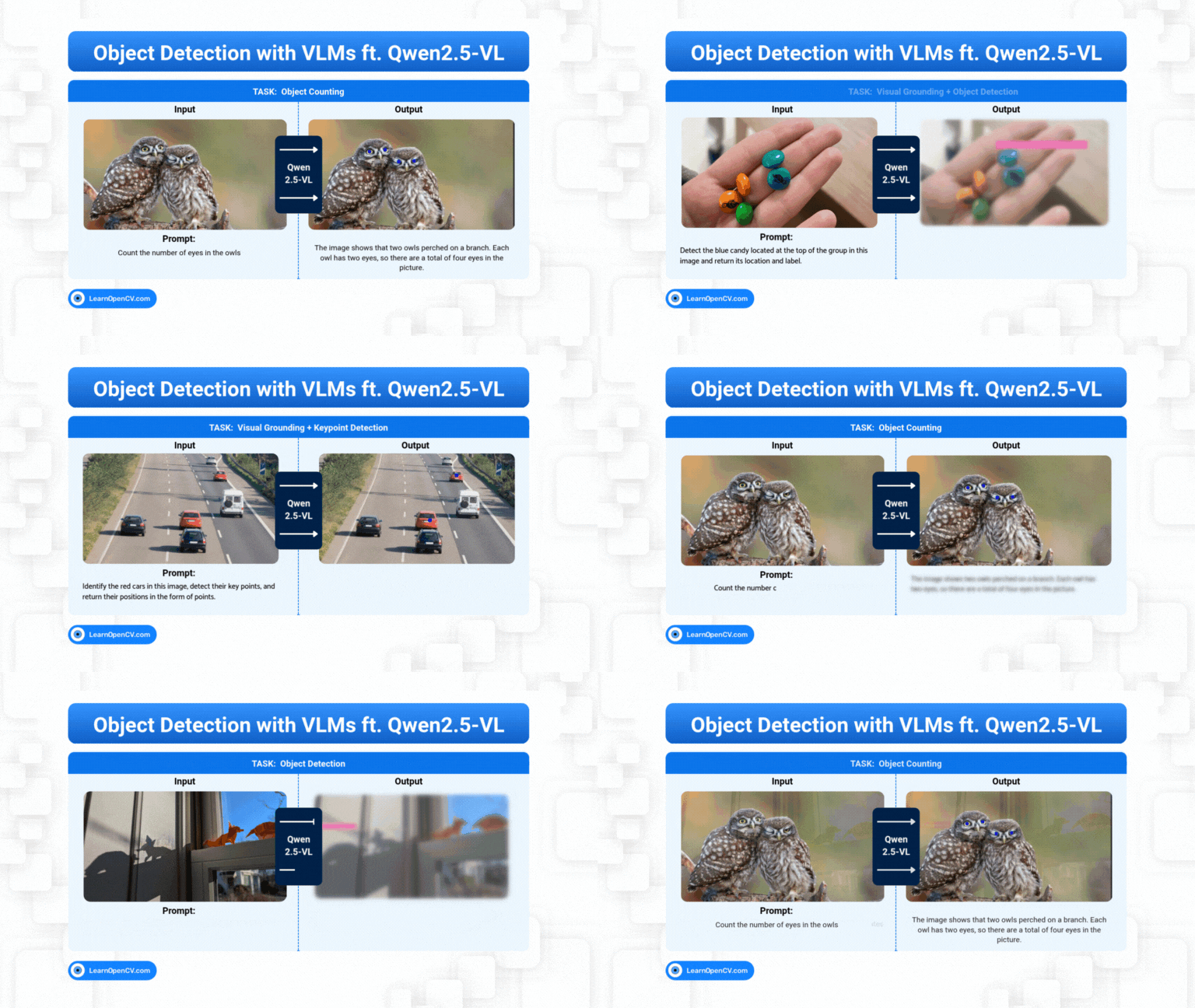
What if object detection wasn't just about drawing boxes, but about having a conversation with an image? Dive deep into the world of Vision Language Models (VLMs) and see how
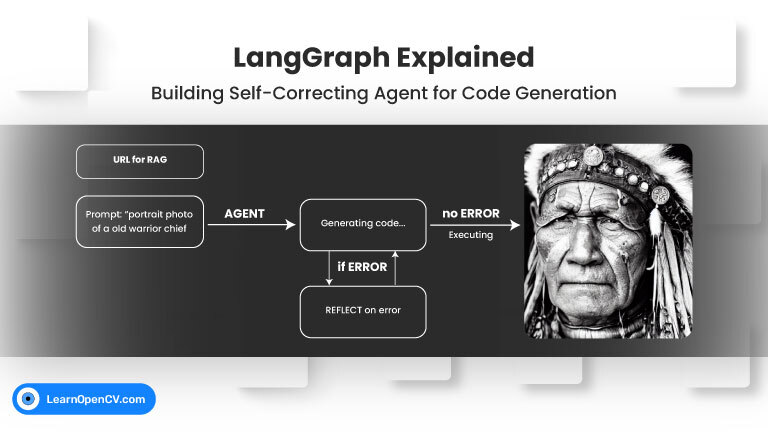
Welcome back to our LangGraph series! In our previous post, we explored the fundamental concepts of LangGraph by building a Visual Web Browser Agent that could navigate, see, scroll, and summarize
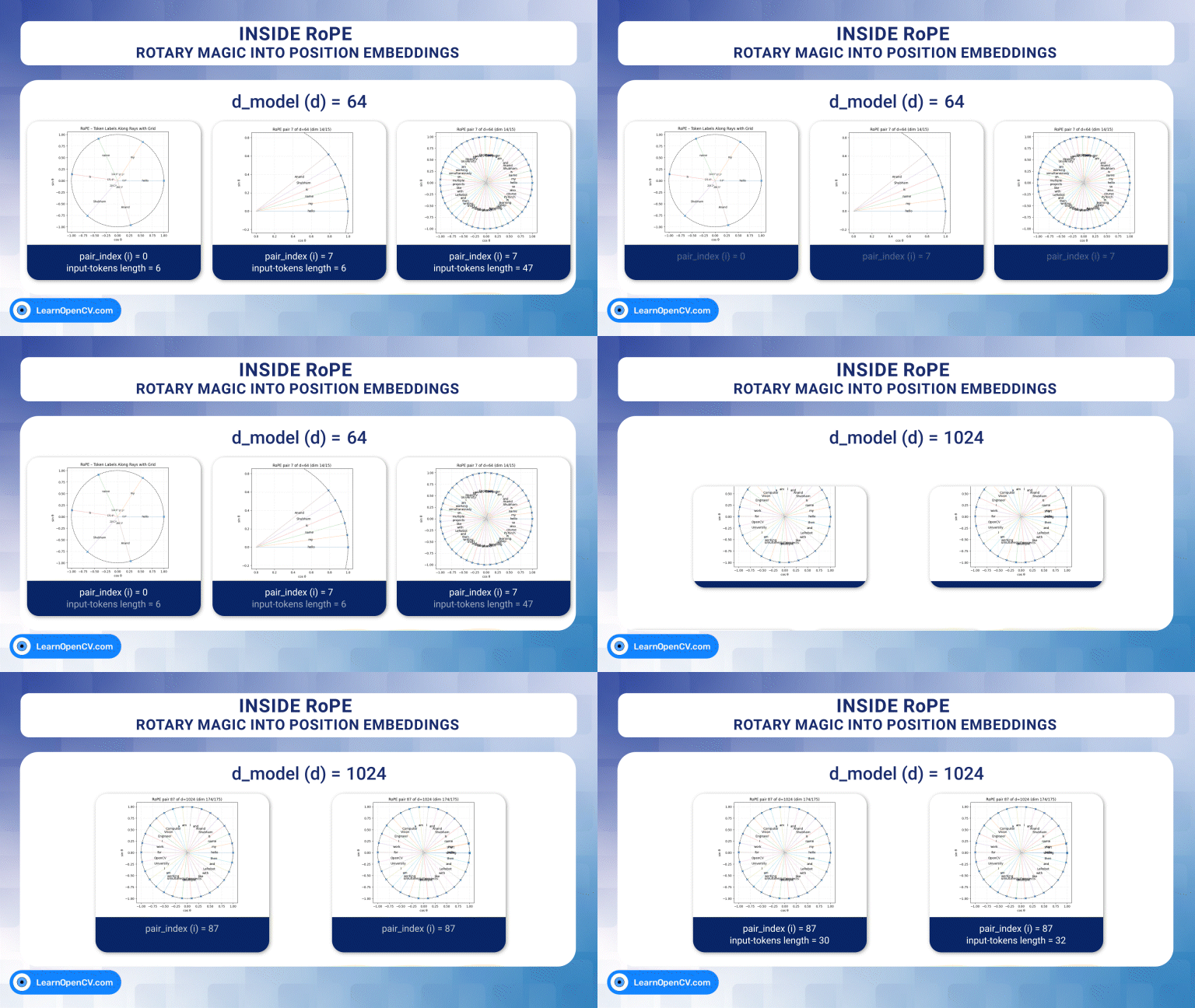
In the groundbreaking 2017 paper “Attention Is All You Need”, Vaswani et al. introduced Sinusoidal Position Embeddings to help Transformers encode positional information, without recurrence or convolution. This elegant, non-learned
Self-attention, the beating heart of Transformer architectures, treats its input as an unordered set. That mathematical elegance is also a curse: without extra signals, the model has no idea which
SimLingo is a remarkable model that combines autonomous driving, language understanding, and instruction-aware control—all in one unified, camera-only framework. It not only delivered top rankings on CARLA Leaderboard 2.0 and
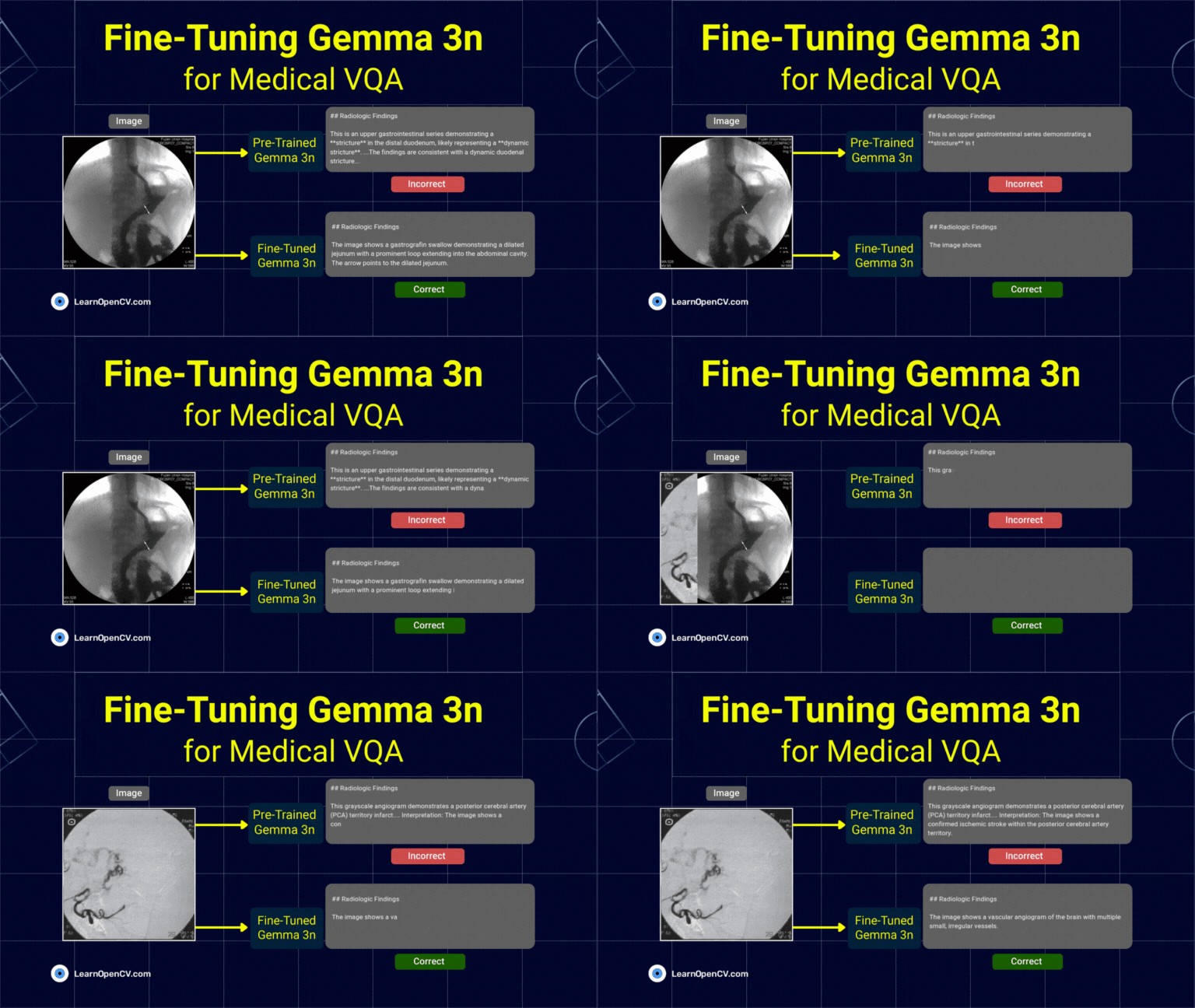
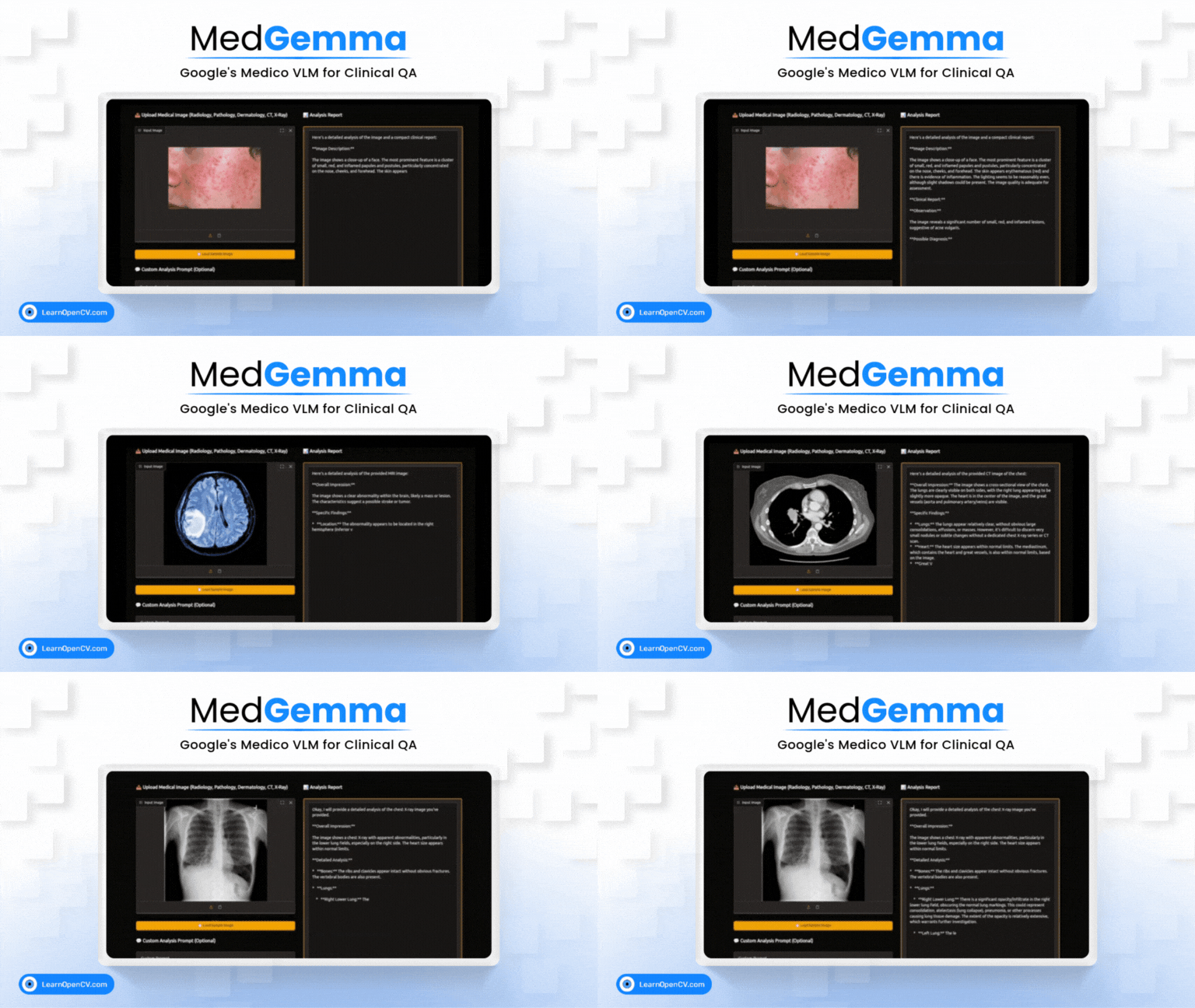
What if a radiologist facing a complex scan in the middle of the night could ask an AI assistant for a second opinion, right from their local workstation? This isn't
In the evolving landscape of open-source language models, SmolLM3 emerges as a breakthrough: a 3 billion-parameter, decoder-only transformer that rivals larger 4 billion-parameter peers on many benchmarks, while natively supporting
Developing intelligent agents, using LLMs like GPT-4o, Gemini, etc., that can perform tasks requiring multiple steps, adapt to changing information, and make decisions is a core challenge in AI development.
Zero-shot anomaly detection (ZSAD) is a vital problem in computer vision, particularly in real-world scenarios where labeled anomalies are scarce or unavailable. Traditional vision-language models (VLMs) like CLIP fall short
SigLIP-2 represents a significant step forward in the development of multilingual vision-language encoders, bringing enhanced semantic understanding, localization, and dense feature extraction capabilities. Built on the foundations of SigLIP, this
Imagine an AI co-pilot for every clinician, capable of understanding both complex medical images and dense clinical text. That's the promise of MedGemma, Google's new Vision-Language Model specifically trained for
Traditional Optical Character Recognition (OCR) systems are primarily designed to extract plain text from scanned documents or images. While useful, such systems often ignore semantic structure, layout, and visual cues