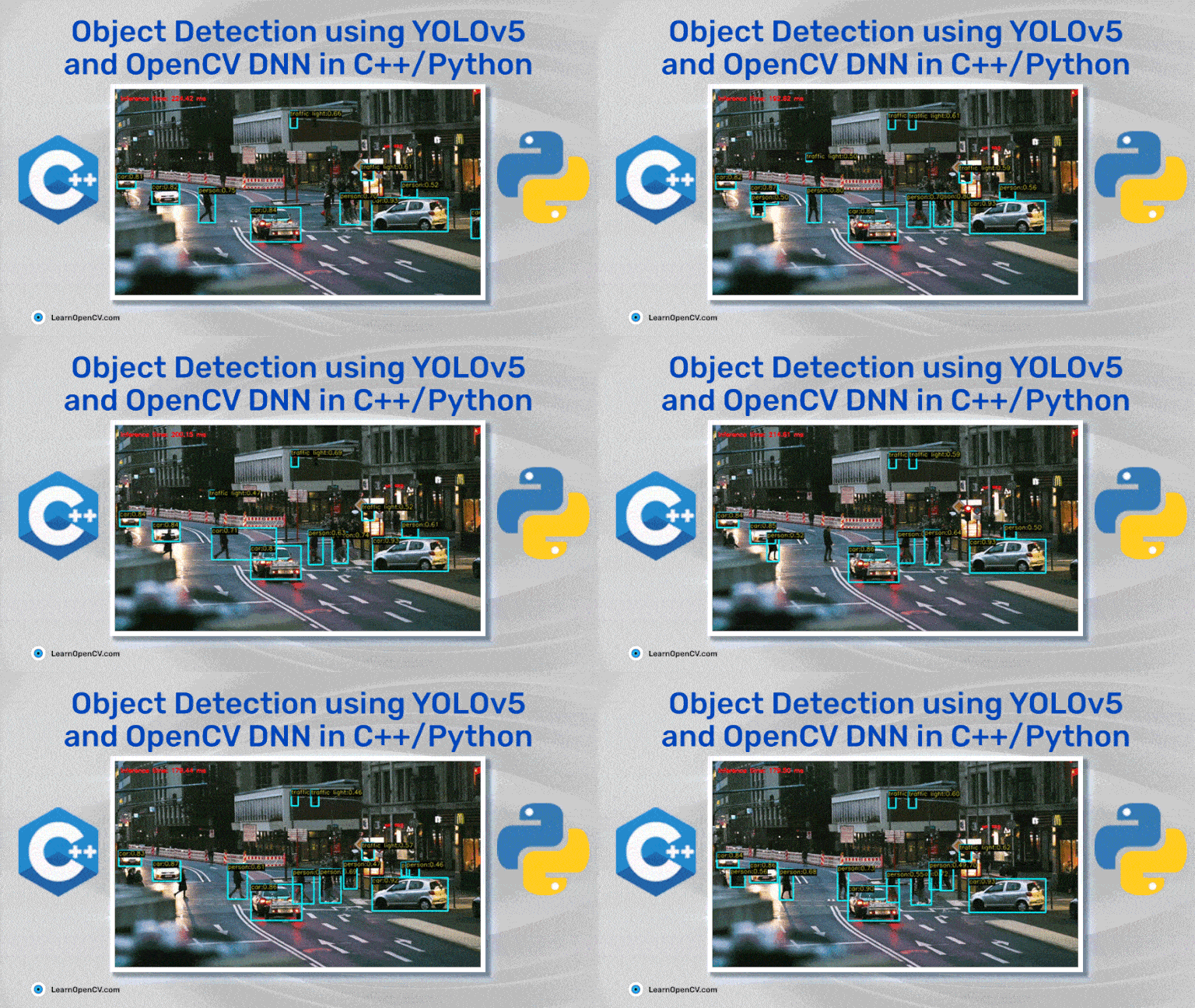
Object detection using YOLOv5 and OpenCV DNN. Learn how to YOLOv5 Ultralytics Github repository. From plethora of YOLO versions, which one is most appropriate for you? Continue reading the article
Deep learning has been one of the fastest-growing technologies in the modern world. Deep learning has become part of our everyday life, from voice-assistant to self-driving cars, it is everywhere.
The AI community generously shares code, model architectures, and even models trained on large datasets. We are standing on the shoulders of giants, which is why the industry is adopting
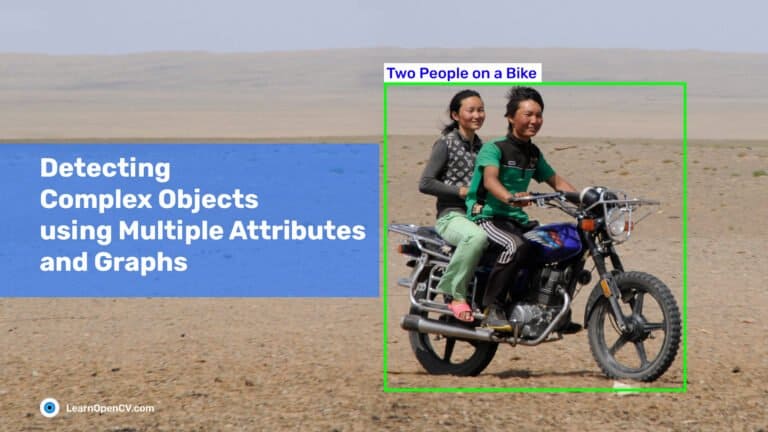
In this post, we will discuss an object detection approach that leverages the understanding of the objects’ structure and the context of the image by enumerating objects’ characteristics and relations.
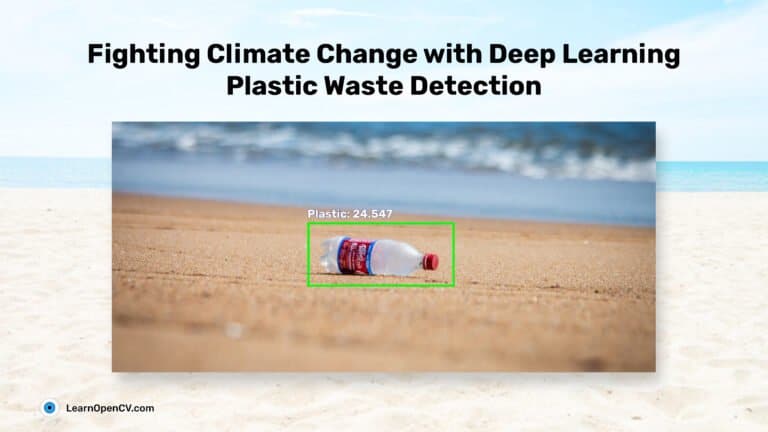
Photo by Louis Reed on Unsplash With each passing day, the effect of climate change is becoming all too real. From hurricanes and wildfires to melting ice and rising sea
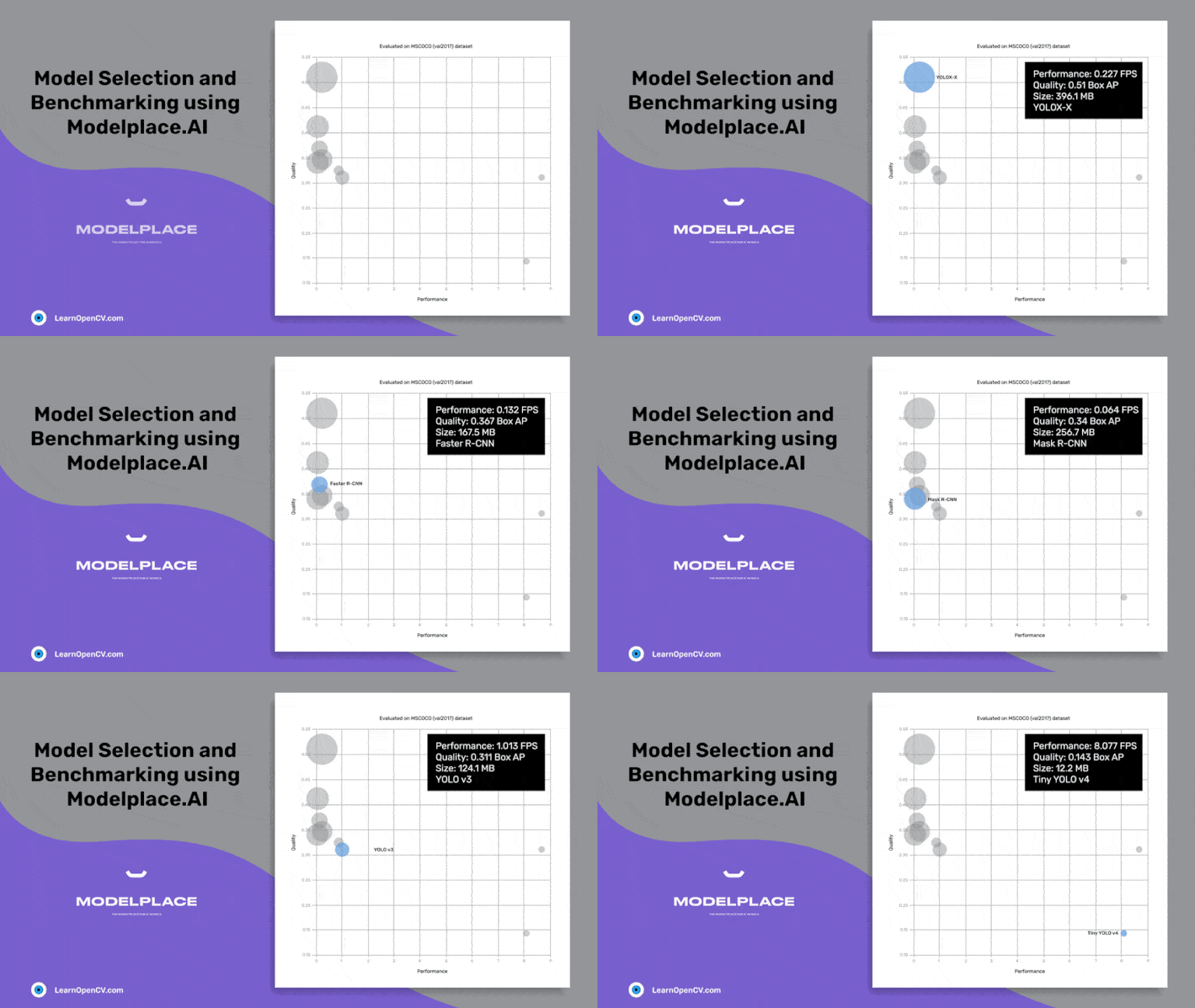
In this post, we will learn how to select the right model using Modelplace.AI. Selecting the right model will make your application faster, help you scale it to millions of
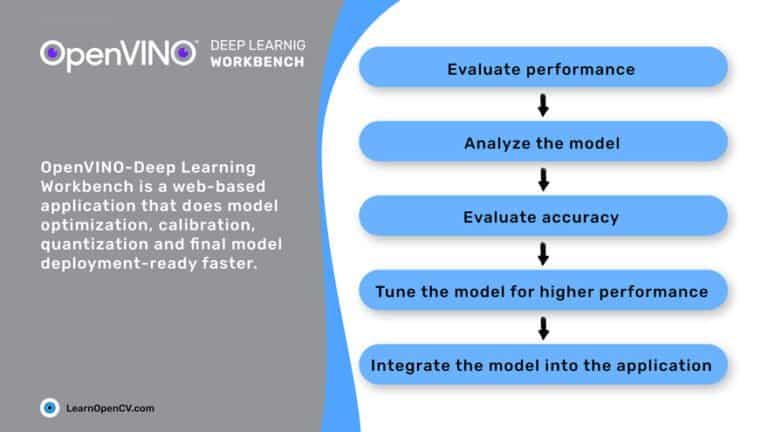
The Intel-OpenVINO Toolkit provides many great functionalities for Deep-Learning model optimization, inference and deployment. Perhaps the most interesting and practical tool among them is the Deep-Learning (DL) workbench. Not only
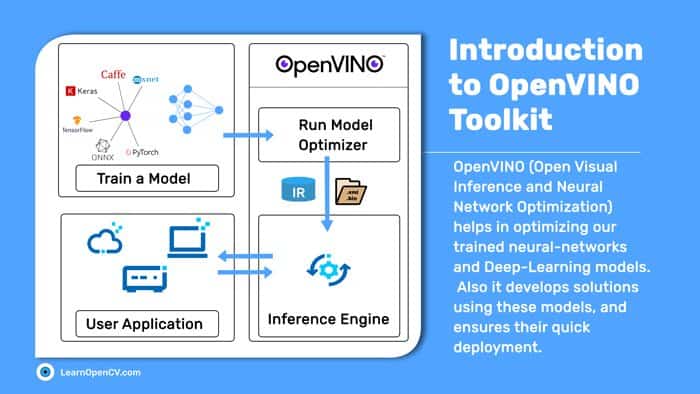
Traditionally, Deep-Learning models are trained on high-end GPUs. But for inference, Intel CPUs and edge devices like NVidia’s Jetson and Intel-Movidius VPUs are preferred. Most of these Intel CPUs come
Deep Learning models inferencing on video stream inputs in computer vision applications are mostly used for object detection, image segmentation, and image classification. In many cases, we fail to get
The training of neural network architectures is what drives most of us who are involved in the field of Deep Learning. We fixate endlessly over the amount of data, its
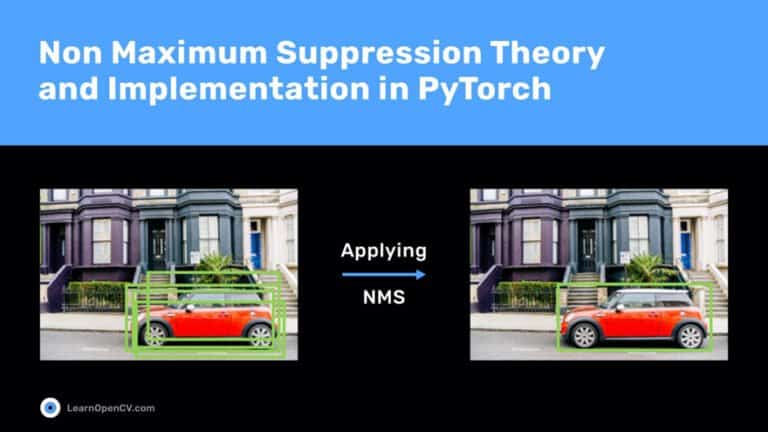
Non Maximum Suppression (NMS) is a technique used in numerous computer vision tasks. It is a class of algorithms to select one entity (e.g., bounding boxes) out of many overlapping