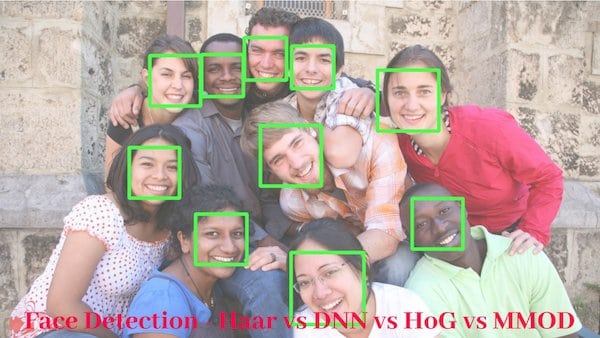
In this tutorial, we will discuss the various Face Detection methods in OpenCV, Dlib, and Deep Learning and compare the methods quantitatively. We will share code in C++ and Python
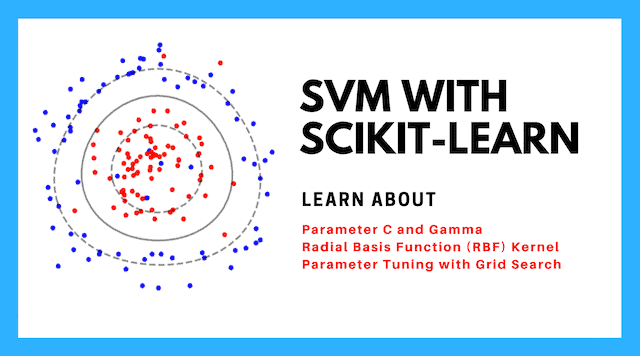
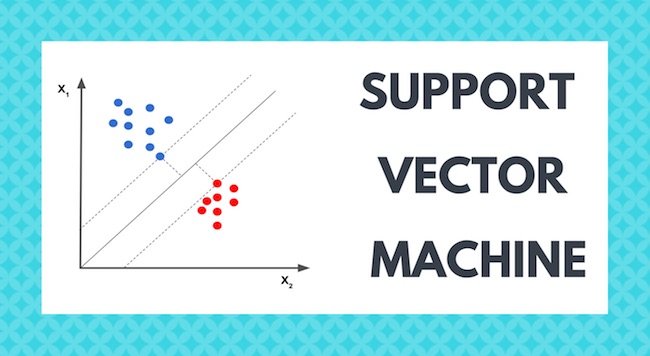
This post explains the implementation of Support Vector Machines (SVMs) using Scikit-Learn library in Python. We had discussed the math-less details of SVMs in the earlier post. In this post,
In this post, we will learn about a Deep Learning based object tracking algorithm called GOTURN. The original implementation of GOTURN is in Caffe, but it has been ported to
Ideas in Machine Learning have a “winner takes all” quality. When an idea takes off, it dominates the field so completely that one tends to believe it is the only
Photography is the favorite hobby of millions of people around the world. After all, how difficult can it be! In the words of Diane Arbus, a famous American photographer —
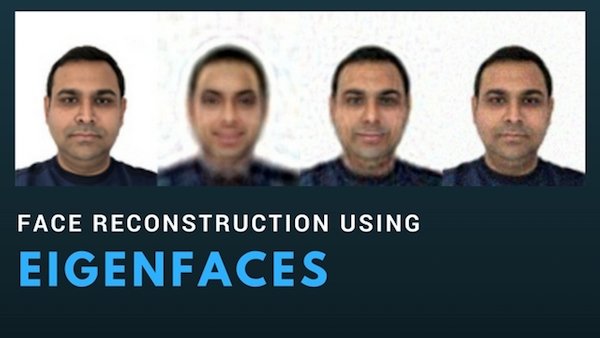
In this post, we will learn how to reconstruct a face using EigenFaces. This post is written for beginners. If you don’t know about Principal Component Analysis (PCA) or EigenFaces,
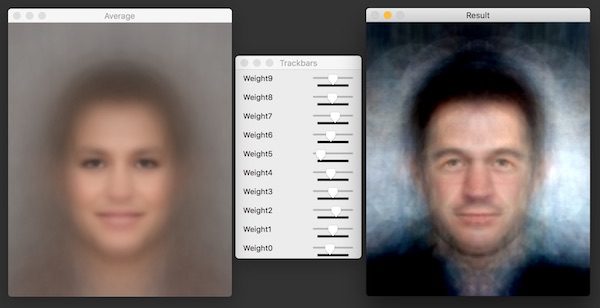
In this post, we will learn about Eigenface — an application of Principal Component Analysis (PCA) for human faces. We will also share C++ and Python code written using OpenCV
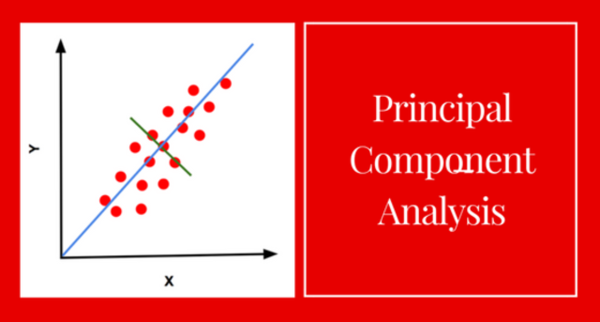
In this post, we will learn about Principal Component Analysis (PCA) — a popular dimensionality reduction technique in Machine Learning. Our goal is to form an intuitive understanding of PCA
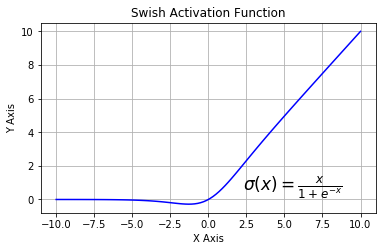
This post is part of the series on Deep Learning for Beginners, which consists of the following tutorials : In this post, we will learn about different activation functions in
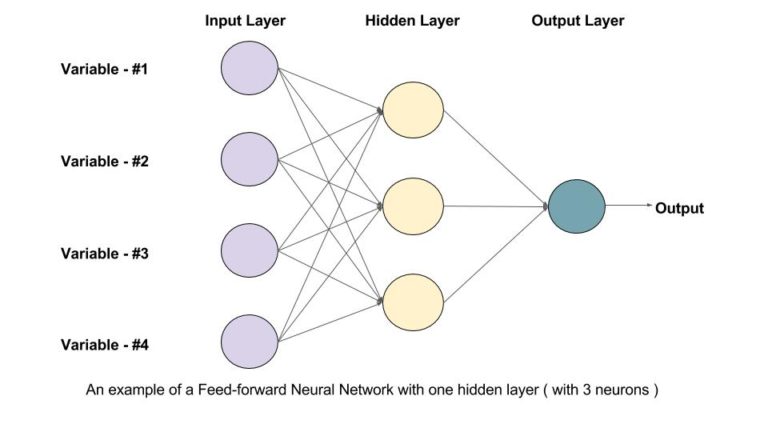
In this article, we will learn about feedforward Neural Networks, also known as Deep feedforward Networks or Multi-layer Perceptrons. They form the basis of many important Neural Networks being used
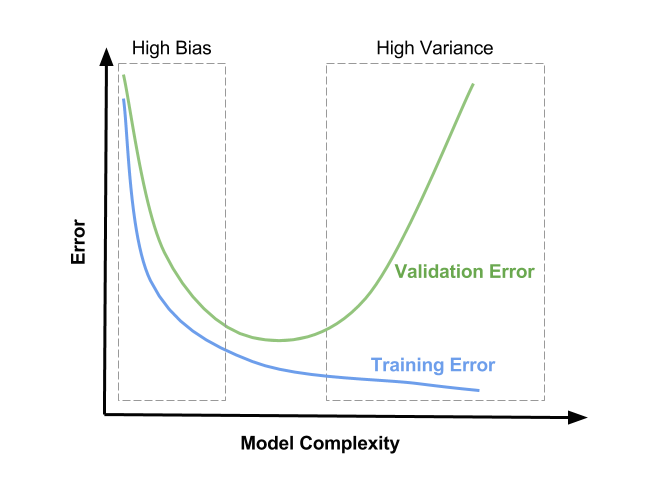
In this post, we will develop an intuitive sense for an important concept in Machine Learning called the Bias-Variance Tradeoff. Before we dive into the subject, allow me to go