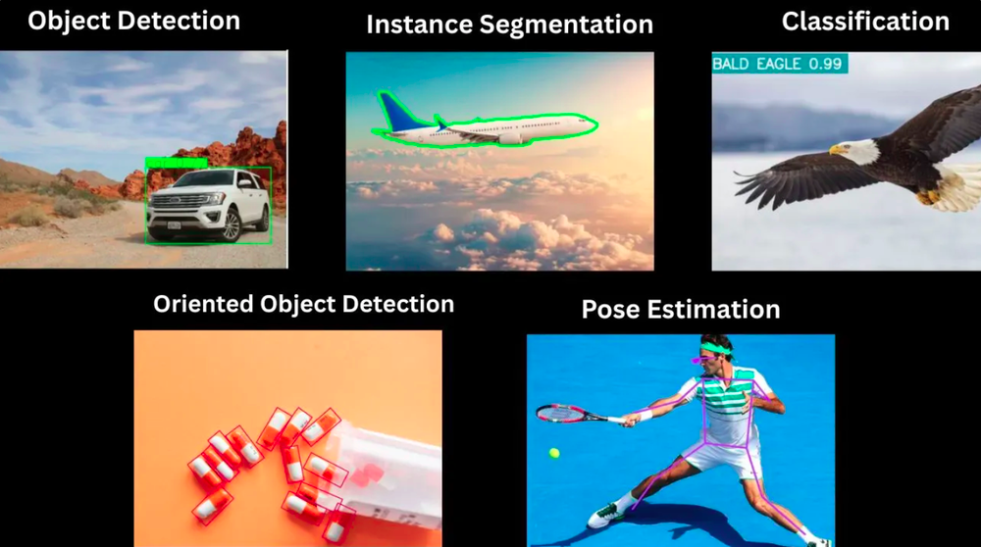
YOLOv26 is an edge-first object detector designed for real-time deployment, featuring NMS-free inference, quantization stability, and predictable latency.
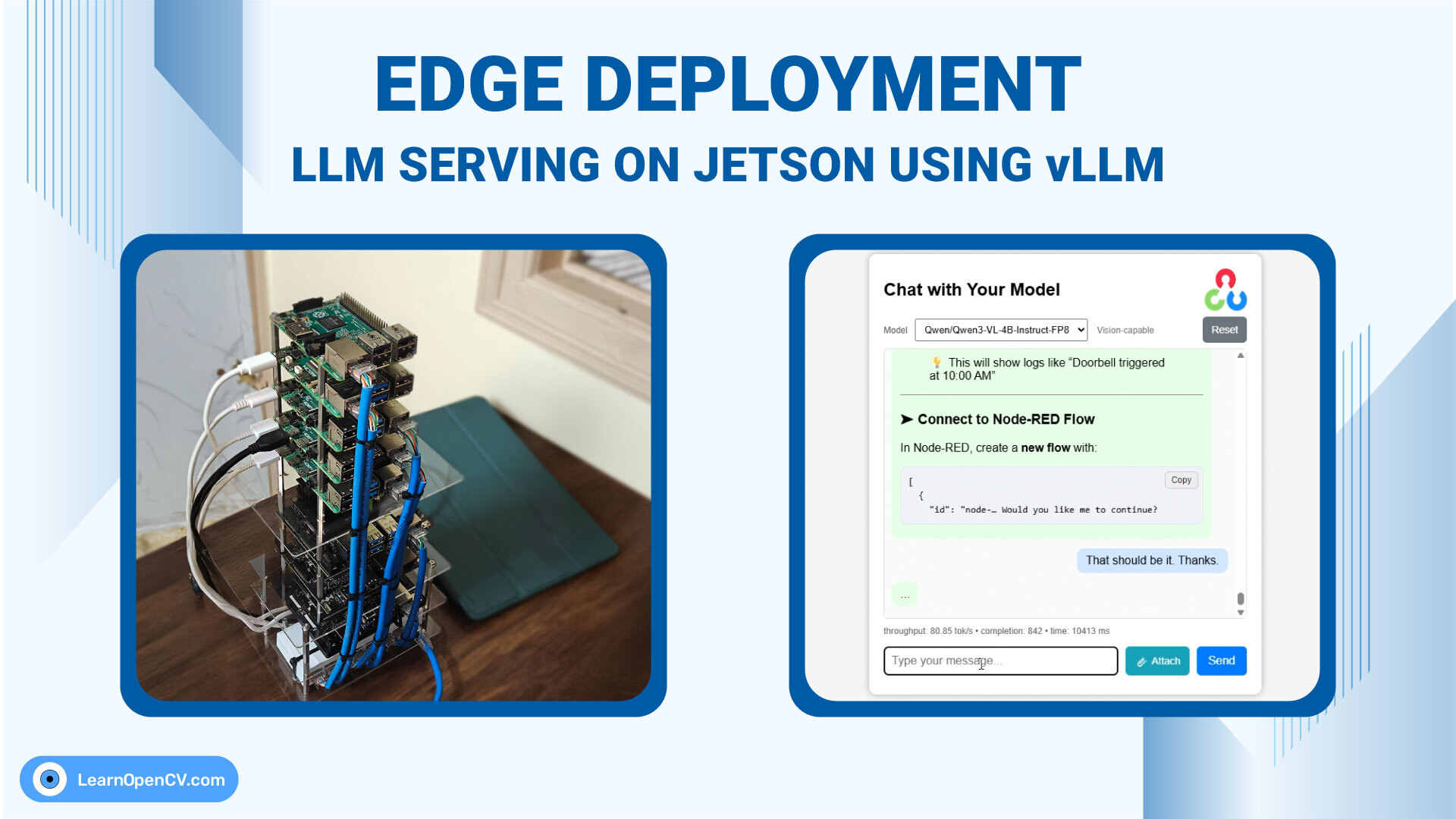
Learn what it really takes to run LLMs on an 8 GB Jetson Orin Nano, covering setup, failures, memory tuning, and a practical comparison between vLLM and llama.cpp. An article
For over a decade, progress in deep learning has been framed as a story of better architectures. Yet beneath this architectural narrative lies a deeper and often overlooked question –
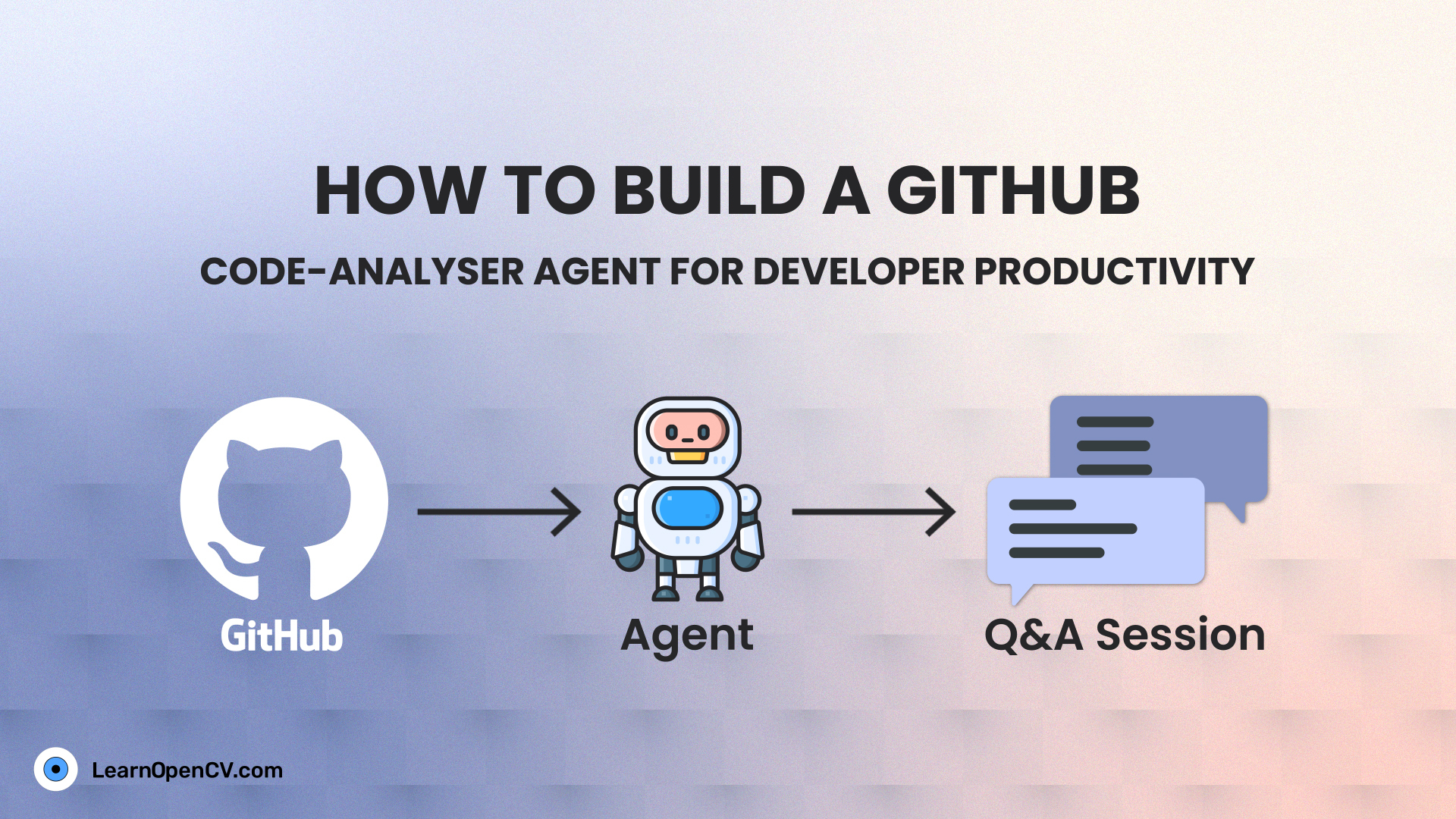
Understanding large GitHub repositories can be time-consuming. Code-Analyser tackles this problem by using an agentic, approach to parse and analyze codebases.
Naive Transformers is good for lab experiments, but not for production. Check out what are the major problems associated with Autoregressive inference. In this post, we will cover how modern
SAM 3D is Meta’s groundbreaking foundation model for reconstructing full 3D shape, texture, and object layout from a single natural image. Learn how it works.
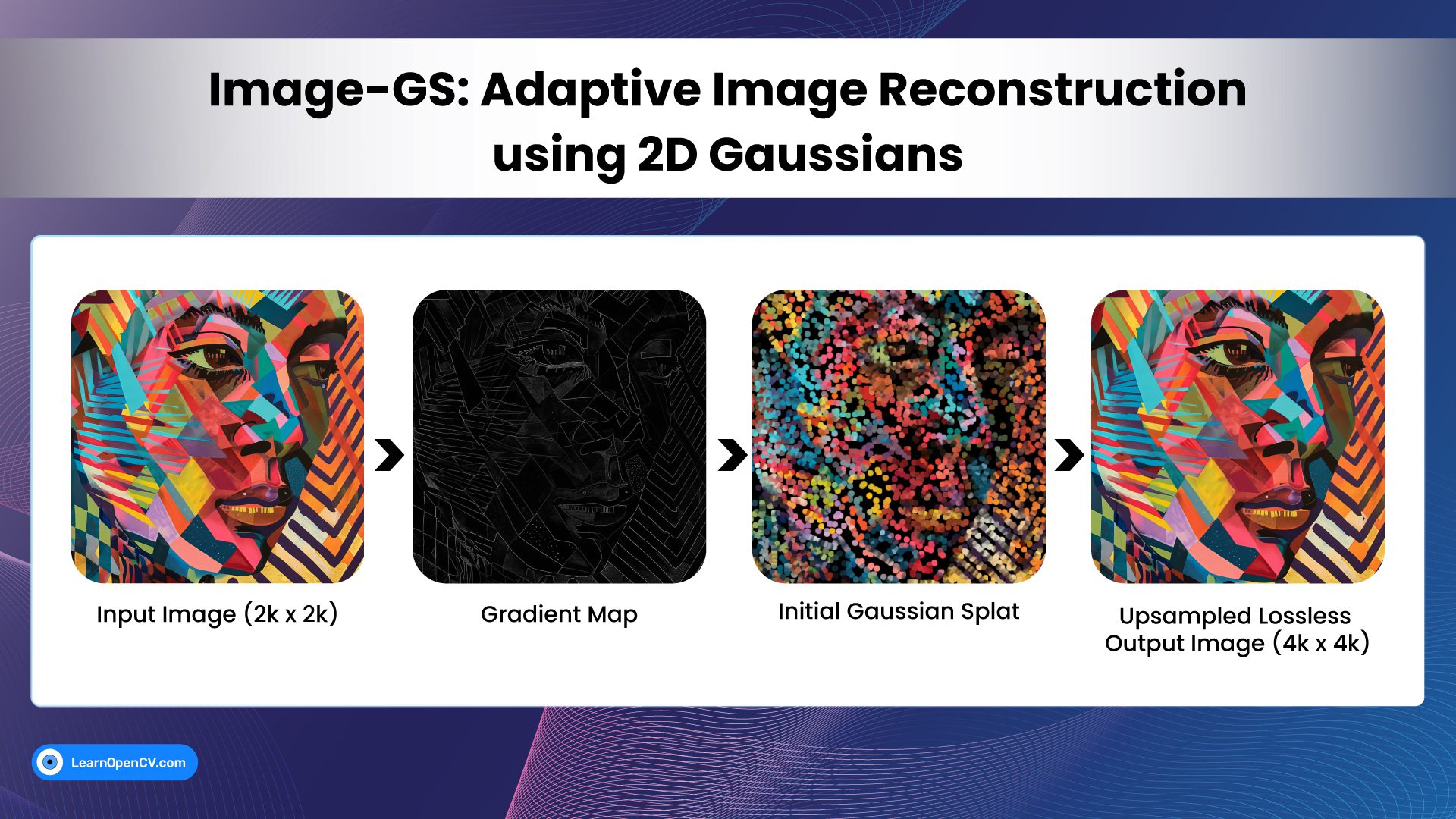
Discover Image-GS, an image representation framework based on adaptive 2D Gaussians, outperforming neural and classical codecs in terms of real-time efficiency.
Processing long documents with VLMs or LLMs poses a fundamental challenge: input size exceeds context limits. Even with GPUs, as large as 12 GB can barely process 3-4 pages at